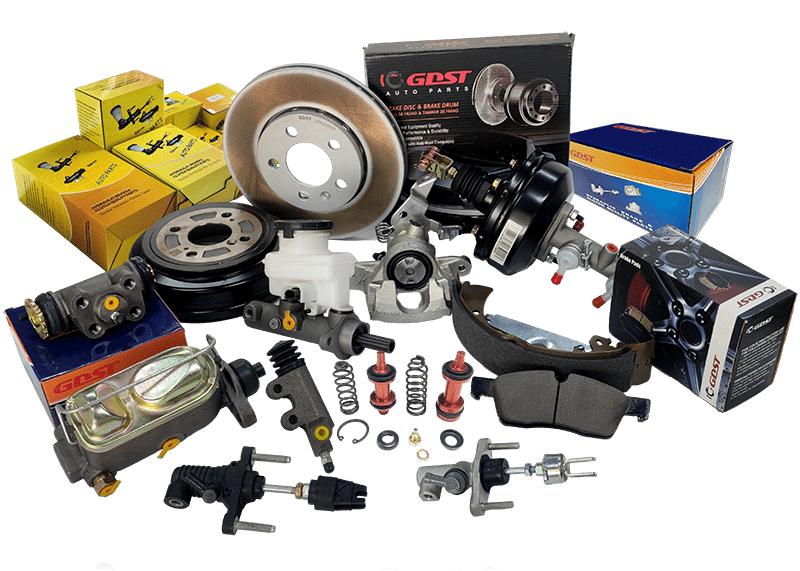
Brake calipers are a critical component in your car’s braking system. They apply pressure to the brake pads, which slow down or stop the vehicle. However, when these calipers seize, they can compromise braking performance and safety. This article will thoroughly examine the common causes of brake caliper lockup, how to identify related symptoms, and how to resolve this issue.
Brake calipers can seize due to corrosion, dirt buildup, lack of lubrication, hydraulic failures, or general wear and tear. These issues prevent the calipers from functioning properly, resulting in poor braking performance. Regular maintenance and proper inspection are key to preventing calipers from seizing.
Causes of Brake Caliper Seizure
Brake caliper seizure is rarely a sudden failure. It’s typically a gradual process caused by the deterioration of critical components. Understanding these root causes is key to prevention.
Corrosion and Moisture Exposure
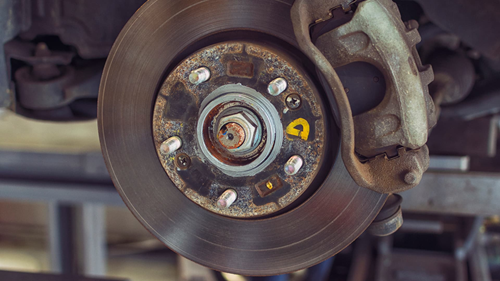
Moisture, road salt, and grime are a brake caliper’s worst enemies. Corrosion doesn’t just affect the exterior; it attacks vital internal components.
- On Guide Pins: Rust on the pins or inside their bushings creates immense friction, preventing the caliper from sliding freely. This is the most common cause of uneven pad wear and dragging brakes.
- On the Piston: Rust can form on the piston’s exposed surface (especially if the protective dust boot is torn). This rough surface then struggles to retract smoothly into the caliper bore, keeping the pads partially applied.
Contaminated or Degraded Lubrication
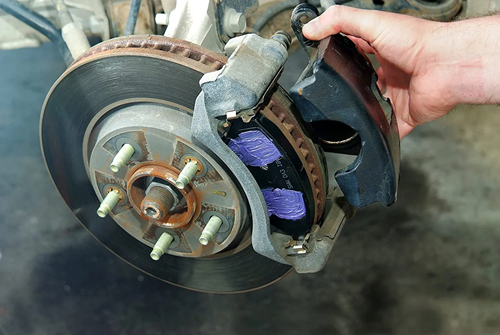
The guide pins and pad contact points require specific, high-temperature brake grease to function smoothly.
- Wrong Lubricant: Using regular grease (which can melt, run, or attract dirt) or no lubricant at all leads to increased friction and eventual seizing.
- Aged/Dirty Lubricant: Over time, lubricant hardens, collects abrasive brake dust, and loses its protective properties, turning from a facilitator of movement into a grinding paste that causes binding.
Failure of Rubber Seals and Boots
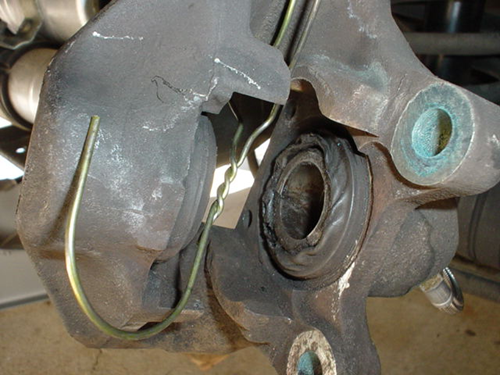
The rubber components in your caliper are crucial for both sealing and function.
- Torn Dust Boot: A ripped boot allows moisture and grit direct access to the piston and caliper bore, accelerating corrosion (as in Point 1).
- Worn Piston Seal: This square-cut seal does more than hold fluid. Its elastic deformation is what physically retracts the piston slightly when you release the brake pedal. If it’s hardened, cracked, or degraded, it loses this “roll-back” function, leading to constant pad contact.
Brake Fluid Issues and Hydraulic Malfunctions
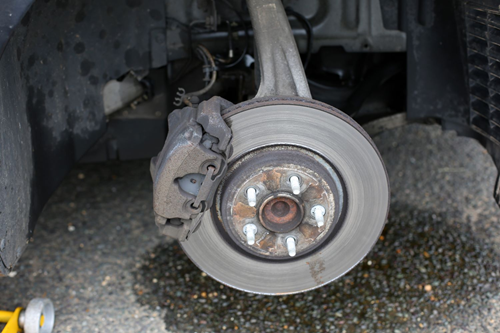
The hydraulic system is the command center for caliper movement.
- Old, Contaminated Fluid: Brake fluid absorbs moisture over time. This water lowers its boiling point and causes internal corrosion in the caliper bore and piston, creating sludge and rust that hinder movement.
- Stuck or Clogged Components: A malfunctioning brake hose (acting like a one-way valve) or debris in the hydraulic line can prevent pressure from releasing fully, effectively “trapping” the piston in an applied position.
Physical Damage and Wear
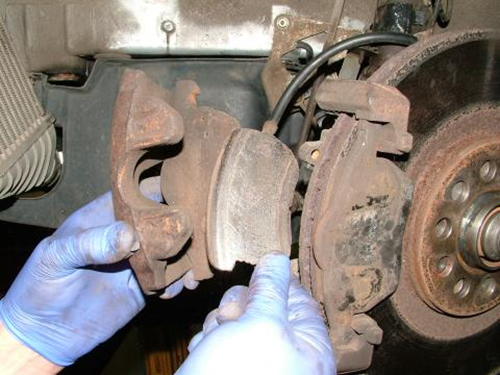
Direct physical issues can also lead to a seized state.
- Bent or Damaged Components: A bent guide pin, mounting bracket, or even the caliper itself (from impact) will prevent proper alignment and movement.
- Excessive Wear: Severely worn pads or a deeply grooved rotor can alter the piston’s travel distance, sometimes causing it to over-extend or sit at an angle where it’s more prone to sticking.
Adverse Usage Patterns and Environment
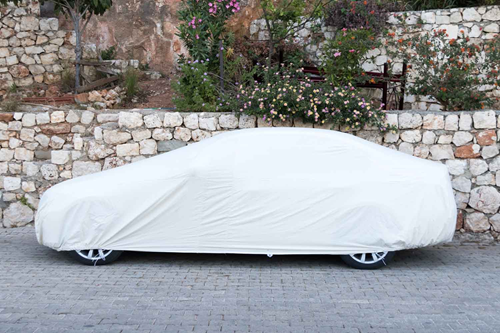
How and where you drive significantly accelerates the wear processes described above.
- Prolonged Inactivity: Vehicles parked for weeks or months, especially in damp conditions, allow surface rust to fuse the brake pads to the rotors. More critically, it gives corrosion on guide pins and pistons time to solidify without being “worked loose” through normal use.
- Harsh Environments: Frequent driving through deep puddles, on salt-covered winter roads, or on dusty, muddy terrain dramatically increases the rate of corrosion and contaminant buildup.
- Aggressive Driving Habits: Constant hard braking generates extreme heat. This heat accelerates brake fluid degradation, cooks and carbonizes lubricants, and stresses rubber seals—all of which are primary contributors to seizing.
How to Identify Symptoms of a Seized Brake Caliper
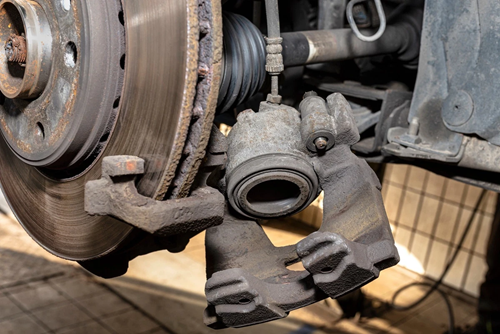
When a brake caliper seizes, it can affect the vehicle’s braking system. Here are a few signs to look out for:
- Unusual Sounds
A seized caliper causes the brake pads to rub against the brake rotor even when the brakes are not applied, resulting in a squealing or squeaking noise. This is a sign that the caliper isn’t releasing properly.
- Vehicle Pulling to One Side
If a caliper is stuck, it may apply more braking force on one side of the vehicle, causing the car to pull to one side when braking. If you notice this, it could be a sign that your caliper is seizing.
- Uneven Brake Pad Wear
A seized caliper may cause uneven brake pad wear. If one brake pad shows greater wear than the other, it is recommended to inspect the caliper for sticking.
- Overheating Brakes
If a caliper is stuck, it can generate excessive heat. You might notice a burning smell or feel the brakes getting unusually hot after driving.
What to Do if the Brake Caliper is Seized?
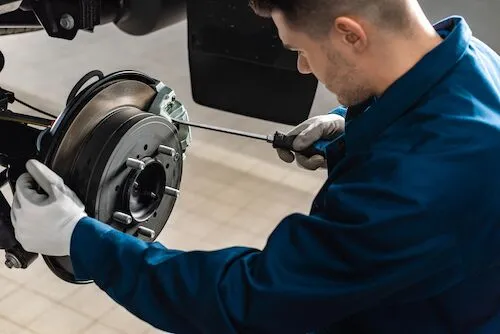
If you suspect your brake caliper has seized, here’s how to handle it:
- Diagnosis
First, check for the common symptoms of a seized caliper—such as strange noises, pulling to one side, or uneven brake pad wear. If you notice these signs, it’s a good idea to have a professional mechanic inspect the system.
- Temporary Solutions
If you can’t immediately replace or repair the caliper, try limiting driving to avoid further damage. Don’t engage in hard braking or high-speed driving. However, this is only a temporary solution, and the issue needs to be addressed as soon as possible.
- Repair or Replace the Caliper
Depending on the severity of the issue, you may need to repair or replace the seized caliper. If the caliper is only clogged with dirt or debris, cleaning and lubricating it may resolve the issue. However, if the caliper is corroded or has worn-out components, it might be better to replace it entirely.
Conclusion
A seized brake caliper can lead to serious problems, including reduced braking performance, increased brake wear, and potential safety risks. By understanding what causes brake calipers to seize—whether it’s corrosion, dirt buildup, or lack of lubrication—you can prevent the issue through regular maintenance and early detection. If you determine that the brake caliper is indeed seized, you must address this issue promptly to avoid more costly repairs and ensure the vehicle remains in a safe driving condition.
By staying vigilant and keeping your brake system well-maintained, you can avoid the headache and danger that comes with a seized brake caliper. Regular troubleshooting and maintenance are essential for keeping your vehicle in optimal condition.