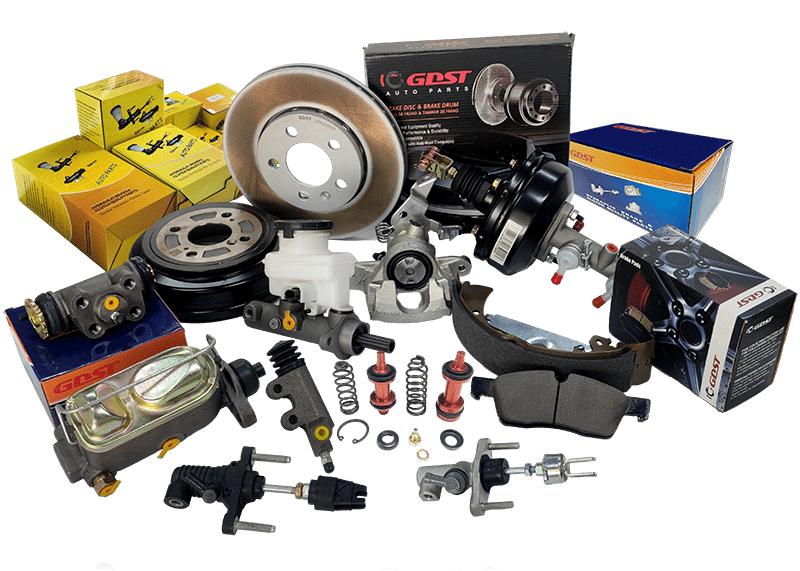
When it comes to vehicle braking systems, two of the most common types you’ll encounter are drum brakes and disc brakes. While both are essential for stopping a vehicle, they operate differently and offer distinct advantages and challenges. Whether you’re a vehicle owner looking to better understand your car’s braking system or a professional aiming to offer the best advice to customers, understanding the core differences is crucial. This article will compare drum brakes vs disc brakes in terms of their working principles, key features, performance, cost, and more.
How Disc and Drum Brakes Function
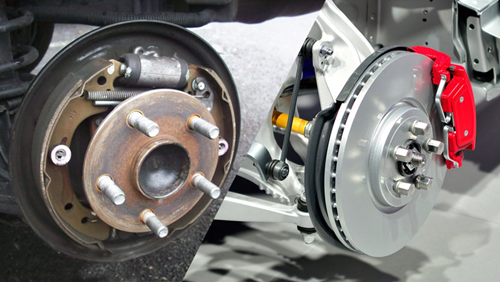
Understanding the drum brakes vs disc brakes working principles is a great place to start. Let’s take a look at how each system functions and its unique features.
Disc Brakes
- Working Principle: When you press the brake pedal in your car, the hydraulic system pushes the pistons inside the brake calipers, which then force the brake pads against the rotating brake rotors. This contact generates friction that slows the wheels, ultimately bringing the vehicle to a stop.
- Key Features: Disc brakes have an open design, which means the braking surface is exposed to air.
Drum Brakes
- Working Principle: When you press the brake pedal in a drum brake system, hydraulic pressure forces the brake shoes to expand, pressing them against the inside of the rotating drum to create the friction needed to slow the vehicle.
- Key Features: Drum brakes feature a closed design, where all the braking components are enclosed within the drum.
In-Depth Comparison: Drum Brakes vs Disc Brakes
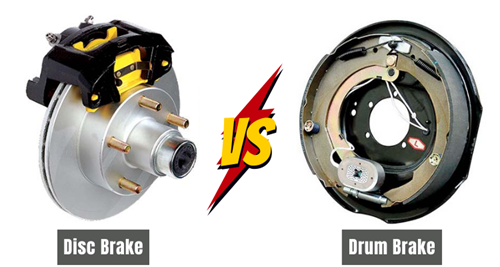
Now that we’ve covered the basic functioning of drum and disc brakes, let’s dive into a more detailed comparison. We’ll look at key performance metrics that affect everyday driving and vehicle maintenance.
Heat Dissipation & Fade Resistance
- Disc brakes: One of the greatest advantages of disc brakes lies in their exceptional heat dissipation capabilities. Since the disc is exposed to the air, it can cool down quickly after heavy braking.
- Drum Brakes: Drum brakes, on the other hand, are less efficient at dissipating heat. The enclosed nature of the drum design traps heat inside, leading to quicker brake fade under heavy use.
Braking Performance & Linearity
- Disc Brakes: Disc brakes offer more consistent and linear braking performance. The braking force is more predictable and offers a smooth transition from light to heavy braking.
- Drum Brakes: In comparison, drum brakes tend to have a less linear braking response. The force applied isn’t as consistent, especially under prolonged use, and you may notice a more “jerky” feel when braking.
Water & Debris Resistance
- Disc brakes: Excellent. The rotating brake discs use centrifugal force to expel water and mud, and water on the brake pads is easily scraped off, allowing for quick performance recovery after water crossings.
- Drum brakes: Poor. Water and mud tend to accumulate inside the drum, impairing braking performance. Multiple light brake applications are required to evaporate moisture and restore functionality.
Structure & Maintenance Costs
- Disc Brakes: Disc brakes are more complex in structure, requiring a rotor, caliper, and brake pads. While this design ensures superior performance, it can lead to higher maintenance and repair costs.
- Drum Brakes: Drum brakes have a simpler design with fewer parts, which often makes them less expensive to maintain. However, inspecting and replacing components can be more difficult due to the enclosed structure.
Cost & Durability
- Disc Brakes: While disc brakes cost more to install, they last longer due to better performance and durability. Their components wear less, and they manage heat more effectively, offering long-term value, especially in demanding conditions.
- Drum Brakes: Drum brakes are cheaper to install, which is why they’re often used in budget vehicles or on rear axles. However, they wear out more quickly and need more frequent maintenance due to heat buildup, which can shorten their lifespan compared to disc brakes.
Weight
- Disc Brakes: Disc brakes tend to be heavier than drum brakes, which can add weight to the vehicle.
- Drum Brakes: Since drum brakes are lighter, they can be a good option for vehicles that prioritize weight reduction, like certain budget cars or trucks.
Application of Drum Brakes vs Disc Brakes

When it comes to choosing between drum brakes and disc brakes, the application and vehicle type play a major role in the decision.
Disc Brakes
- Best For: Modern passenger cars, sports cars, motorcycles, and high-performance vehicles.
- Why: Disc brakes are ideal for vehicles that require high-performance braking. They excel in situations where frequent or high-speed braking is needed, such as on highways, racing conditions, or in mountainous terrain.
Drum Brakes
- Best For: Budget vehicles, older models, and trucks, especially for the rear axle.
- Why: Drum brakes are still commonly found on the rear axles of many vehicles, especially older models or cost-conscious designs. They provide sufficient braking power for everyday use in less demanding conditions. Since they are cheaper to produce and maintain, they are often found in more affordable vehicle options.
How to Choose the Right Brake System
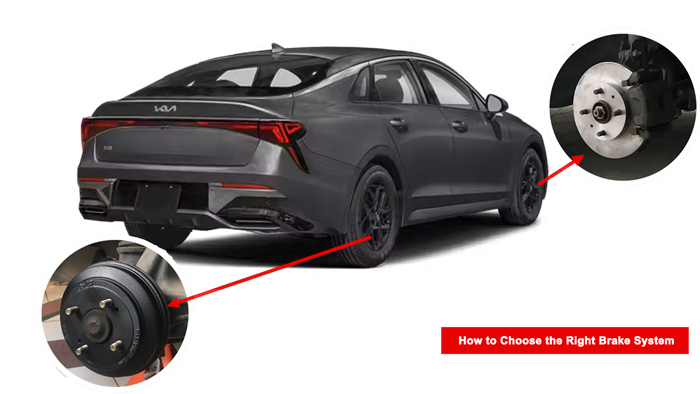
Choosing between drum brakes and disc brakes depends largely on your specific needs, driving conditions, and budget.
For Performance & Safety
If you’re driving a high-performance car, sports vehicle, or even a motorcycle, disc brakes are your best option. Their ability to dissipate heat quickly, provide consistent braking, and perform well in all weather conditions makes them the safer and more efficient choice for vehicles that need high braking power.
For Budget-Friendly Solutions
If cost is a primary concern, drum brakes can be a practical choice. They work well for daily driving in non-extreme conditions and are often used in more affordable vehicles or on the rear axles of cars. Their simpler design and lower initial cost make them appealing for drivers who don’t need the high-performance capabilities of disc brakes.
Conclusion
In the drum brakes vs disc brakes debate, both systems have their place depending on the vehicle type, driving conditions, and performance requirements. Disc brakes stand out for their superior performance, heat dissipation, and reliability, while drum brakes offer a cost-effective solution for less demanding vehicles and applications. By understanding their key differences, you will be better equipped to select the appropriate brake system for your vehicle or your customer’s vehicle.