When sourcing brake pads for international markets, certifications are not just a formality — they are often a legal requirement.
For importers and distributors, understanding standards like ECE R90, AMECA, and SAE is essential to avoid customs issues, product rejection, or customer complaints.
If you’re working with a professional brake pad supplier or planning to purchase in bulk, knowing these certifications will help you make more confident decisions.
Why Brake Pad Certifications Matter
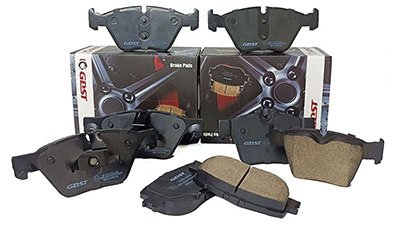
Brake pads are safety-critical components, which is why many countries enforce strict standards.
Certifications help ensure:
- Stable braking performance
- Safety under different driving conditions
- Compliance with local regulations
Without proper certification, you may face delays, returns, or even market restrictions.
If you’re new to importing, this complete guide to importing brake pads can give you a clearer picture of the process.
What Is ECE R90?
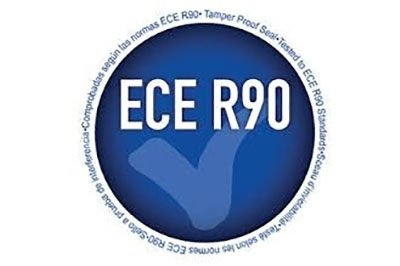
ECE R90 is one of the most widely recognized certifications, especially in Europe.
Key points:
- Mandatory for aftermarket brake pads in many European countries
- Ensures replacement parts match original performance
- Requires strict testing for braking efficiency and consistency
For buyers targeting European markets, working with a compliant brake pad factory is essential.
Simply put: ECE R90 = Your entry ticket to the European market
What Is E-Mark Certification?
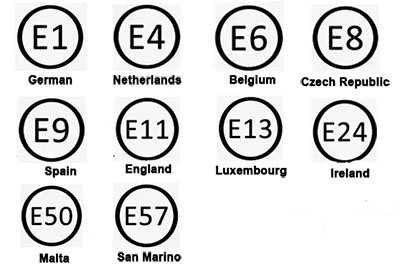
E-Mark certification is one of the most important approvals for automotive components in Europe. It indicates that a product meets specific European regulations and can be legally sold and used in the market.
Key points:
- Issued by European approval authorities
- Applies to various automotive parts, including brake pads
- Identified by a circle “E” mark followed by a number (e.g., E1, E4)
- Each number represents a different country (e.g., Germany, Netherlands)
- Ensures that products comply with specific regulations, including ECE R90 for brake pads
E-Mark shows that the product has passed European regulatory requirements
ECE R90 is the specific regulation for aftermarket brake pads under the E-Mark system
Working with an E-Mark approved supplier ensures compliance and reduces import or legal risks
What Is AMECA Certification?
AMECA is mainly used in the United States and focuses on friction performance classification.
Key points:
- Uses letter ratings (such as FF, GG)
- Indicates friction performance levels
- Widely referenced in North America
While not always mandatory, it plays an important role in building buyer trust.
What Is SAE Standard?
SAE standards are technical guidelines used globally in the automotive industry.
Key points:
- Defines testing procedures
- Provides performance benchmarks
- Often used together with AMECA ratings
In practice, SAE explains how testing is done, while AMECA shows how products perform.
Key Differences Between ECE R90, E-Mark, AMECA, and SAE
To make things clearer, here is a simple comparison:
| Certification | Region | Type | Mandatory | Notes |
|---|---|---|---|---|
| E-Mark | Europe | Certification System | Yes | Indicates approval under European regulations; includes ECE R90 for brake pads |
| ECE R90 | Europe | Regulation | Yes | Specific regulation for aftermarket brake pads within E-Mark |
| AMECA | USA | Performance Rating | No | Friction classification for brake pads |
| SAE | Global | Testing Standard | No | Defines test procedures and performance benchmarks |
Which Certification Do You Actually Need?
The required certification depends on your market:
- Europe → ECE R90 is required
- USA → AMECA + SAE preferred
- Other regions → more flexible, but certifications improve credibility
If you’re unsure, working with an experienced OEM brake pad partner can help you choose the right approach.
How to Verify Certifications from Suppliers
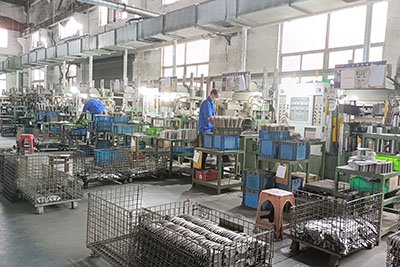
It’s important not to rely on certificates alone.
Make sure to request:
- Official documents
- Test reports
- Product labeling photos
Also check whether the certification matches the actual product model.
Certification vs Actual Quality
One key point many buyers misunderstand:
Certification does not always equal high quality.
It only guarantees minimum compliance. Actual performance depends on:
- Raw materials
- Production consistency
- Quality control
If you want to explore material differences, this brake pad material guide for buyers provides useful insights.
Common Mistakes Buyers Make
Some common mistakes include:
- Assuming all products are certified
- Not verifying authenticity
- Ignoring market-specific requirements
These mistakes can lead to serious issues after shipment.
FAQ: Brake Pad Certifications
No. ECE R90 is mainly required for European markets. Other regions may not require it, but having certification still improves credibility.
These letters indicate friction performance levels.
FF → medium friction
GG → higher friction
Higher ratings usually mean stronger braking performance
It depends on your market.
In Europe → not allowed without ECE R90
In other regions → possible, but risky
Certification helps avoid legal and quality issues
No. Certification ensures minimum standards, but real quality depends on production consistency and materials.
For most buyers:
Europe → ECE R90
USA → AMECA + SAE
Other markets → flexible
Ask for: official documents, test reports, product labels. Also verify with the issuing authority if necessary.
Yes. Even for OEM projects, certifications are required depending on the target market.
You can learn more in this OEM brake pad manufacturing guide.
Conclusion
Understanding brake pad certifications like ECE R90, AMECA, and SAE helps you reduce risks and operate more professionally in international markets.
However, certifications are just one part of the process. Choosing the right supplier and ensuring consistent quality is equally important.
Related Resources
- How to choose a reliable brake pad manufacturer
- OEM brake pad solutions guide
- Brake pad importing guide
- Ceramic vs semi-metallic comparison
Get in Touch
If you are sourcing certified wholesale brake pads and need support with compliance, documentation, or product selection, feel free to contact us for catalog, quotation, or sample testing.