A car’s braking system is crucial for keeping everyone safe on the road. Among the many components that make up this system, the brake drum plays an important role. If a brake drum starts to fail, it can affect how well the car stops.
As a professional in the brake drum business, it’s essential to know the signs of a bad brake drum. Identifying these symptoms early can help you provide better service to your customers, ensuring their vehicles stay safe and reliable. In this article, we’ll go over the most common symptoms of a bad brake drum and how you can spot and fix the issue.
What is A Brake Drum
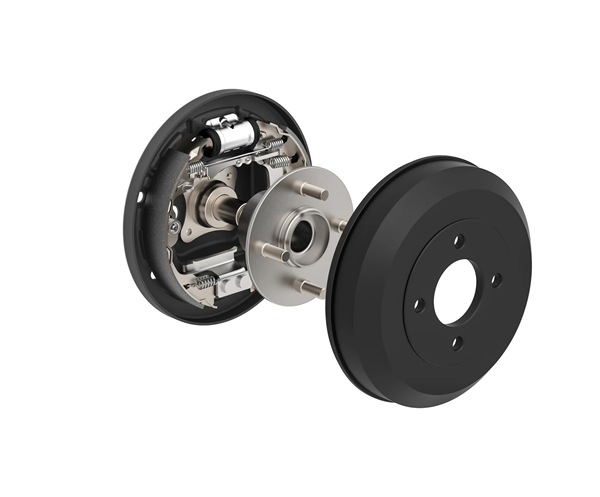
Before we get into the symptoms, let’s first take a quick look at what a brake drum is and what it does.
The brake drum is a round, metal part that’s attached to the wheel. It works with the brake shoes to slow down or stop the vehicle when you press the brake pedal. When you press the pedal, the brake shoes push out against the inside of the drum, creating friction and helping the car slow down.
Brake drums are vital for safe braking, but they can wear out over time. If they’re not taken care of, they can cause braking problems, making it harder to stop the car.
Common Symptoms of a Bad Brake Drum
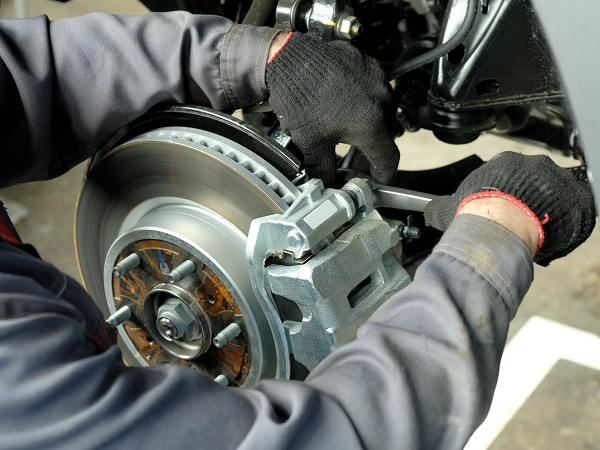
When brake drums start to fail, you might notice certain signs. Recognizing these symptoms early is key to preventing bigger problems down the line. Here are the most common signs that something’s wrong with the brake drum:
Unusual Noises
If you hear a squealing, grinding, or thumping sound when you brake, it could mean the brake drum is worn out or damaged. These noises are often caused by worn brake shoes or dirt and debris in the braking system. If left untreated, the problem can get worse and cause further damage.
Vibration or Shaking
If the brake pedal or steering wheel shakes when you brake, it could be a sign that the brake drum is warped. Heat from excessive braking can cause the drum to become uneven, making it harder to stop the car smoothly. This can lead to vibrations or even pulling to one side when braking.
Weak Braking Power
If the car takes longer to stop or the brake pedal feels soft, it’s a sign that the brake drum might not be working properly. When the drum wears down or gets damaged, it loses its ability to create enough friction to stop the car effectively. In some cases, you might even notice that the car pulls to one side when you brake.
Visible Damage
A visual inspection can often reveal issues with the brake drum. If you see cracks, deep grooves, or other damage on the drum, it’s a clear sign that it needs attention. A damaged drum can cause the brakes to fail, so it’s important to check for this regularly.
Pulling to One Side When Braking
If the car pulls to one side when you press the brake pedal, it might be due to uneven wear on the brake drums. When one side of the drum wears down more than the other, the braking force is uneven, causing the vehicle to pull. This condition poses a serious safety hazard and requires immediate repair.
Visual & Operational Signs of a Bad Brake Drum
There are also some visual clues and operational signs that can help you spot issues with the brake drum. These signs can help you identify problems early, so they don’t lead to bigger, more expensive repairs later.
Dashboard Warning Lights

If the brake system warning light (usually an exclamation point symbol) lights up on the dashboard, it could be a sign that something is wrong with the braking system, including the brake drum. While this light can also indicate low brake fluid, it’s important to check the entire system, including the brake drum, when the light comes on.
Visual Clues When Inspecting the Vehicle
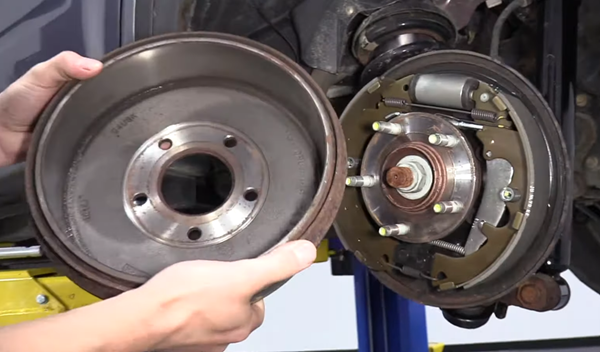
Here’s what to look for when inspecting the vehicle:
- Check Through the Wheel Gap: You can often spot signs of damage by looking between the wheel and the brake drum. If you see deep grooves or uneven wear, the brake drum may need replacing.
- Excessive Black Dust: A buildup of black powder or metal dust inside the wheel can indicate that the brake pads or drum are wearing out. If you see this, it’s worth inspecting the brake drum further.
- Oil or Grease Stains: If you notice oil or grease on the brake drum, it could mean there’s a leak from the wheel seals. Brake fluid or lubrication can contaminate the drum, reducing braking power.
- Cracks or Bluing: Severe heat can cause the brake drum to develop cracks or blue discoloration (called “blueing”). This is a sign that the drum has been overheated and needs to be replaced immediately.
Strange Burning Smell
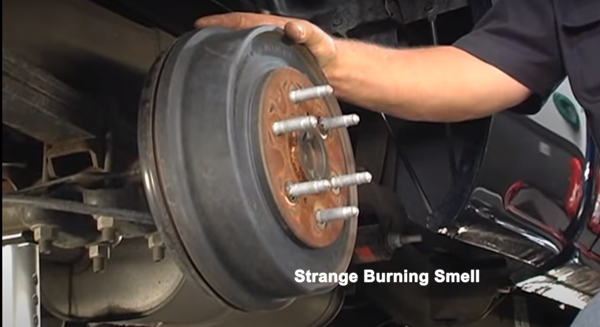
After heavy or frequent braking, if you smell something burning, it’s a warning sign that the brake drum and brake pads might be overheating. Overheating can cause serious damage to the brake system, so this is something that needs to be checked right away.
Why Do Brake Drums Fail
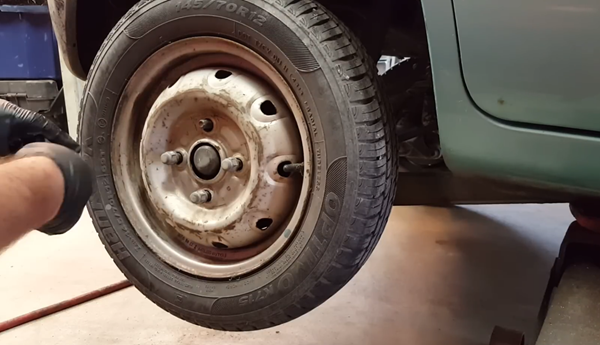
Brake drums don’t just fail for one reason. There are a few common factors that can cause them to wear out:
- Normal Wear and Tear
Like all car parts, brake drums naturally wear out over time. As the vehicle is used, the friction created by the brake shoes against the drum causes it to gradually wear down. Regular maintenance and inspection can help spot issues before they become serious.
- Excessive Heat
Heat is one of the main causes of brake drum damage. If the brakes are used too often or too hard, especially in situations like downhill driving or stop-and-go traffic, the drum can become too hot, warp, or even crack. This reduces its effectiveness and can lead to serious safety issues.
- Environmental Factors
Rust, moisture, and dirt can also damage the brake drum. Salt from roads in winter, for example, can cause corrosion. Keeping the brake system clean and well-maintained can help protect the drum from these environmental factors.
- Overloading or Overuse
If a vehicle is regularly overloaded or driven aggressively, the brake drums will wear out faster. Heavy braking or frequently carrying heavy loads puts extra strain on the drum, which can cause it to fail sooner.
How to Provide Professional Brake Drum Service

Providing great brake drum service is simpler than it sounds. Let’s break it down into a few easy steps:
- Step 1: Inspect the Brake Drums
First things first, check for any cracks, grooves, or unusual wear. These can be signs that the brake drum needs attention. If you spot any, it’s time to act before things get worse. - Step 2: Test the Brakes
Take the car out for a short drive. If the brakes are making odd noises or you feel vibrations, it could be a brake drum issue. A quick test can give you a clear idea of whether something’s wrong. - Step 3: Replace or Repair the Brake Drum
If the brake drum is seriously damaged (like cracks), it’s time to replace it. If it’s just worn down, resurfacing may be enough. Make sure to pick the right fix based on the drum’s condition. - Step 4: Offer Simple Maintenance Tips
Don’t forget to tell your customers a few easy maintenance tips. For example, encourage them to avoid hard braking or excessive loads on their vehicle. It’s small things like these that help their brake drums last longer.
Conclusion
Knowing how to spot the symptoms of a bad brake drum is important for keeping vehicles safe. By looking for warning signs like unusual noises, vibrations, or visible damage, you can identify issues early and offer your customers the best service. Regular inspections and proper maintenance are key to ensuring that the brake drums continue to work properly, helping keep drivers safe on the road.
With the right knowledge and care, you can help your customers avoid serious brake problems and ensure their vehicles stay in top condition.