When customers ask “how long do brake calipers last,” they’re not just asking about mileage — they’re asking for peace of mind. For businesses in the brake industry, offering a clear and confident answer builds trust. Let’s explore what really determines caliper longevity and how to keep them working at their best.
The average lifespan of brake calipers is between 75,000 and 100,000 miles, which translates to seven to ten years. How long do brake calipers last really depends on how the vehicle is driven and maintained. Let’s take a closer look at the key factors that shape their lifespan.
What Is the Average Lifespan of Brake Calipers?
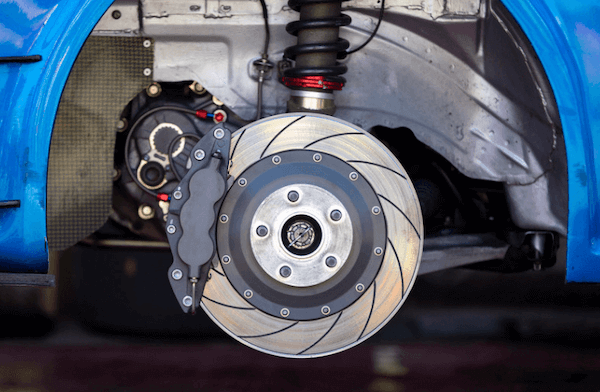
For most passenger vehicles, the average lifespan of a brake caliper is 75,000 to 100,000 miles. This equates to a service life of seven to ten years. However, its actual longevity can be extended or shortened depending on usage patterns.
The more frequently the calipers are used, the greater the stress they endure. Continuous braking generates more heat, accelerating wear on seals. Consequently, driving on highways is gentler on the braking system than city driving, thereby extending the lifespan of brake calipers.
The weather really does change how long brake calipers last. Cars that spend their life near the ocean or in damp places tend to rust faster, and winter road salt doesn’t help either if it sits on the car for too long. But in dry or gentle climates, calipers usually stay in good shape for many years without much trouble.
Letting customers know this helps them understand why two cars with the same mileage can age so differently. It reminds them that caliper life isn’t just a number — it also depends on how the car is cared for and the kind of environment it faces every day.
What Factors Affect Brake Caliper Lifespan?
Every caliper faces a unique set of conditions. Understanding what affects their lifespan helps businesses and mechanics guide customers toward better upkeep. Here are the main influences:
Driving Habits
Aggressive driving shortens caliper life. Hard braking, frequent stop-and-go traffic, or towing heavy loads increase heat and wear on the braking system. Smooth, gradual braking is easier on the calipers and other components.
Maintenance Practices
One of the biggest factors in how long brake calipers last is maintenance.
As months pass, brake fluid tends to attract small amounts of water. When that happens, the inside of the caliper becomes vulnerable to corrosion, which can cause performance issues and shorten its service life. Seals dry out, pistons seize, and performance declines. Regular fluid replacement and occasional cleaning can add years to their life.
Quality of Parts
Not all calipers are the same. Premium calipers often have better finishing and stronger materials that resist corrosion. Cheaper options may save money upfront, but fail sooner, creating extra work and potential customer dissatisfaction later.
Installation Quality
Even a good caliper won’t last if installed poorly. Misaligned brackets, improper torque, or contaminated brake fluid can cause uneven pressure or internal damage. For repair shops, paying attention to small details during installation helps ensure longevity and reliability.
By explaining these points clearly to customers, a business not only demonstrates technical knowledge but also builds credibility as a trusted service provider.
How to Tell When Brake Calipers Need Replacement
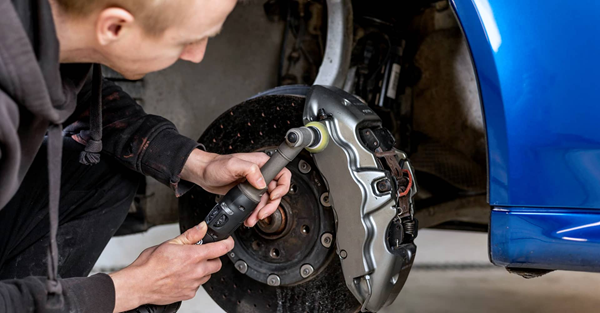
Even the toughest caliper eventually wears out. Recognizing early signs helps prevent further damage and ensures safer driving.
Uneven Braking or Pulling
If the vehicle pulls to one side when braking, it might indicate a stuck or partially seized caliper. This happens when the piston doesn’t retract properly, causing uneven pressure on the pads.
Fluid Leaks
Brake fluid around the wheel area is a major warning sign. A leaking caliper can lead to reduced braking power and potential system failure. Any visible fluid should be checked immediately.
Soft or Spongy Brake Pedal
A soft pedal often means air or moisture has entered the system. While it could also be a master cylinder issue, it’s wise to inspect the calipers for internal leaks.
Grinding or Unusual Noises
Metallic sounds during braking can suggest uneven pad wear or corrosion buildup inside the caliper. Left unchecked, this can damage rotors and other components.
Visual Corrosion
Severe rust around the piston housing or guide pins is a red flag. Rust weakens the caliper’s ability to move smoothly and may cause binding or complete failure.
Businesses can use these indicators to educate customers during inspections. Instead of simply recommending replacements, explain why certain symptoms point to caliper issues — it reinforces professionalism and transparency.
How to Extend Brake Caliper Life for Your Customers
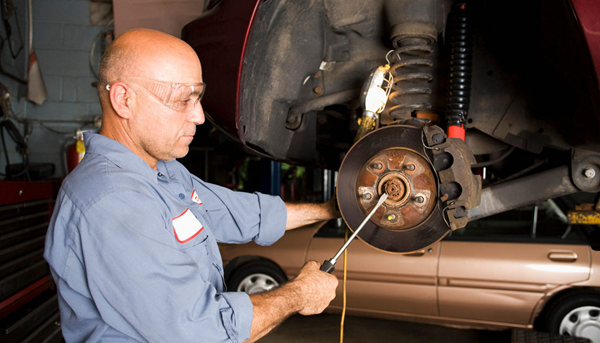
For a brake caliper business, knowing how long brake calipers last is only part of the story. Helping customers extend their lifespan builds loyalty and sets your brand apart. Here’s how:
- Promote Regular Maintenance
You can recommend changing your customer vehicle’s brake fluid every two years and performing regular inspections. A simple, quick check for leaks or corrosion can prevent major issues down the road.
- Educate Drivers About Driving Style
Advise customers to avoid sudden stops whenever possible. Gentle braking not only saves the calipers but also reduces pad and rotor wear, leading to lower maintenance costs.
- Offer Seasonal Cleaning Packages
During winter or after heavy rain seasons, offer wheel and undercarriage cleaning to remove salt and dirt. It’s an easy upsell that genuinely benefits customers.
- Use Quality Replacement Parts
Opt for more dependable brands or suppliers. Though clients may pursue low-cost products, product quality should always be the top priority. This reduces after-sales issues, extends service life, delivers the best user experience, and boosts repeat purchase rates.
- Provide Honest Lifespan Expectations
All automotive components have their own lifespan and service cycles. When selling brake calipers, you can emphasize that with proper maintenance, they can last throughout the vehicle’s entire service life, though regular inspections remain essential. Transparent service practices help you earn customer trust.
- Keep Customers Informed
Consider sharing maintenance reminders or educational posts. Articles answering questions like “How often do brake calipers need to be replaced?” or “Do brake calipers need to be replaced in pairs?” not only strengthen SEO but also position your business as a helpful authority.
When customers feel you’re looking out for their safety and wallet, they return — and recommend your services to others.
Summary
When you take the time to explain how calipers age and what helps them last longer, it does more than support your business — it shows customers you genuinely care about their safety. That kind of honesty builds trust that lasts. And when people understand their brakes better, they make calmer, smarter decisions about maintenance. With steady care, a caliper can stay reliable for a long time, giving both drivers and shops fewer surprises down the road.