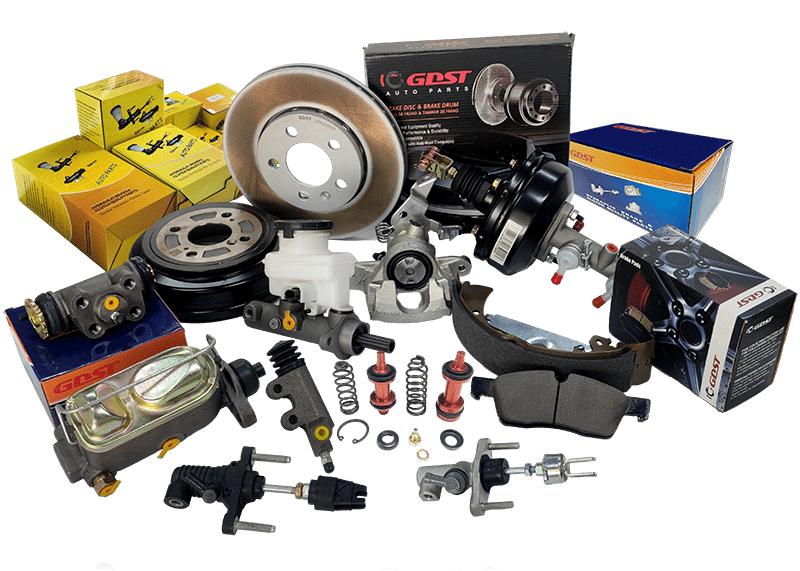
When comparing brake caliper prices from different suppliers, many buyers often face the same confusion:
Why do similar-looking brake calipers have such different prices?
In reality, brake caliper pricing is not random. It is determined by a combination of materials, engineering design, manufacturing precision, and market positioning.
Understanding these factors will help you make smarter purchasing decisions, avoid hidden risks, and choose the right supplier for your market.
In this guide, we will break down the key elements that directly influence brake caliper pricing from a practical buyer’s perspective.
1. Material Type: The Foundation of Cost Difference
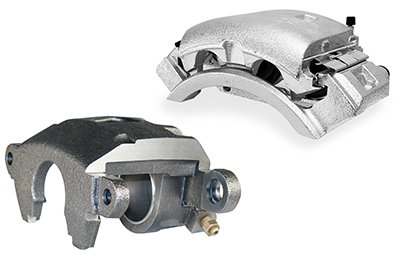
One of the most important factors affecting brake caliper price is the material used in production.
Most brake calipers are made from either cast iron or aluminum alloy, and the difference between them significantly impacts both cost and performance.
Cast iron brake calipers are widely used in the aftermarket because they offer excellent durability and relatively low production cost. They are strong, stable, and suitable for standard passenger vehicles where cost efficiency is a priority.
Aluminum brake calipers, on the other hand, are lighter and provide better heat dissipation. This improves braking performance, especially in high-speed or performance applications. However, aluminum requires more complex machining processes and higher material costs, which naturally increases the price.
From a sourcing perspective, the right choice depends on your target market:
- Cost-sensitive markets → Cast iron is more practical
- Performance-oriented markets → Aluminum justifies higher pricing
2. Number of Pistons: Performance Directly Affects Price
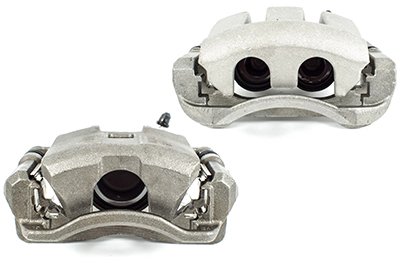
Another key factor is the number of pistons inside the caliper.
Single-piston calipers are the most common type in standard vehicles. Their structure is simple, cost-effective, and suitable for daily driving conditions. This makes them the most widely used option in the aftermarket.
As the number of pistons increases—such as 2, 4, or even 6 pistons—the price increases significantly. This is because multi-piston calipers require more complex machining, additional components, and higher assembly precision.
From a performance perspective, more pistons provide more even pressure distribution across the brake pad, resulting in stronger and more consistent braking force.
However, not every market requires high-performance braking systems.
For most wholesale and distribution businesses:
- Single or dual-piston calipers provide the best balance between cost and demand
- Multi-piston calipers are better suited for premium or performance segments
3. Manufacturing Precision: The Hidden Cost Behind Quality
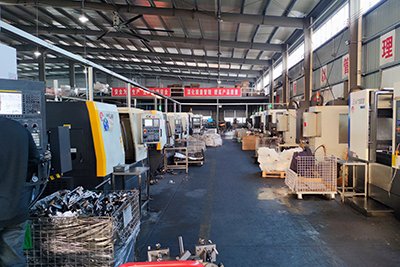
Many buyers focus only on visible features such as size or appearance, but overlook one of the most important cost drivers—manufacturing precision.
Brake calipers require strict tolerances to ensure proper piston movement, sealing performance, and stable braking force. High-precision manufacturing processes such as CNC machining significantly increase production costs.
Lower-cost calipers often reduce expenses by simplifying machining steps or loosening tolerance control. While this may not be visible externally, it can lead to serious issues such as:
- Uneven braking performance
- Fluid leakage
- Premature wear or failure
This is why two products that look almost identical can have completely different prices.
From a buyer’s perspective, precision is directly linked to long-term reliability and customer satisfaction.
4. Sealing System and Internal Components
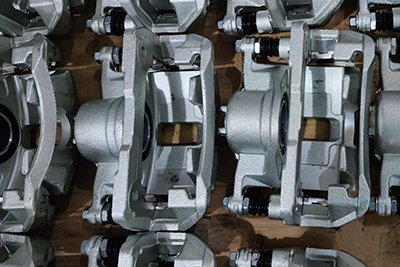
Internal components play a critical role in both performance and pricing.
Brake calipers rely on seals, pistons, and dust boots to function properly. The quality of these components directly affects service life and failure rate.
High-quality sealing systems prevent brake fluid leakage and ensure smooth piston operation. Poor-quality seals, however, can lead to common issues such as:
- Caliper sticking
- Fluid leakage
- Reduced braking efficiency
Better sealing materials and precision-engineered components naturally increase production costs.
This is one of the main reasons why similar-looking calipers can vary in price.
5. Surface Treatment and Coating
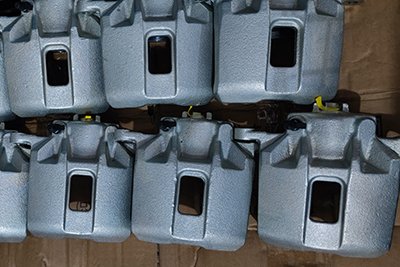
Surface treatment is another important factor that influences both cost and market positioning.
Common coating options include:
- Basic painting
- Powder coating
- Anti-corrosion electroplating or anodizing
Basic painted calipers are cheaper and widely used in standard aftermarket applications. However, they offer limited corrosion resistance.
Powder-coated or treated calipers provide better durability, especially in humid or coastal environments. These advanced coatings increase production costs but significantly improve product lifespan and appearance.
In many markets, surface quality also affects customer perception and brand value.
6. OEM vs Aftermarket Positioning
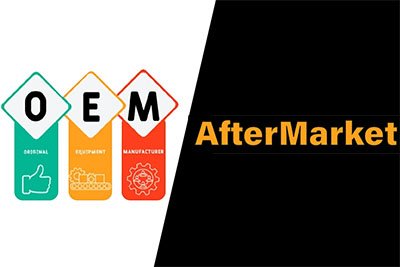
Pricing is also influenced by whether the product is OEM-grade or aftermarket-focused.
OEM calipers are manufactured under strict specifications, often for original vehicle production. They require higher quality control standards, which increases cost.
Aftermarket calipers are more flexible in design and production. They can cover a wider range of vehicle models and offer more competitive pricing.
From a business perspective:
- OEM-level products → Higher quality, higher price
- Aftermarket products → Cost-effective, broader market coverage
7. Order Quantity (MOQ): Scale Directly Affects Price
Order volume is another key factor that influences pricing.
In most manufacturing systems:
- Small orders → Higher unit cost
- Large orders → Lower unit cost
This happens because fixed production costs are distributed across larger volumes.
For wholesalers, increasing order size or combining multiple models in one order can significantly reduce average cost.
8. Packaging and Branding Requirements
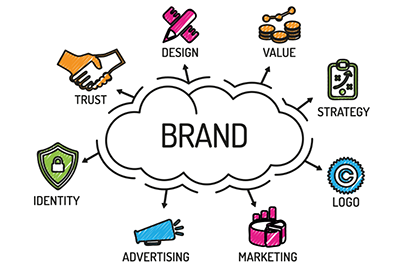
Although often ignored, packaging can still influence the final pricing.
Standard packaging is more cost-efficient, while customized packaging—such as branded boxes, logos, or labels—adds additional cost.
However, branding also increases product value and market competitiveness.
For distributors building their own brand:
- Packaging is more than just an expense—it also plays a role in marketing
Investing in branding can improve long-term profitability and market recognition.
Conclusion: Price Is a Reflection of Value
Brake caliper pricing is not determined by a single factor, but by a combination of material, design, manufacturing precision, internal components, and market positioning.
Rather than judging only by price, buyers with experience usually take multiple factors into account:
- Product quality consistency
- Supplier capability
- Long-term business stability
- Total cost of ownership
In the end, it’s not about picking the cheapest brake caliper, but about choosing the one that makes the most sense for your market in terms of overall value.
By understanding these key pricing factors, you can make more informed sourcing decisions and build a more stable and profitable supply chain.