Brake calipers are a crucial part of your car’s braking system. If the braking system fails, dangerous situations may occur, such as increased stopping distances or even complete loss of braking capability. In this article, we’ll go over the common signs that indicate bad brake calipers and explain why businesses in the brake caliper industry should pay attention to these warning signals to provide better service to their customers.
Why Are Brake Calipers So Important
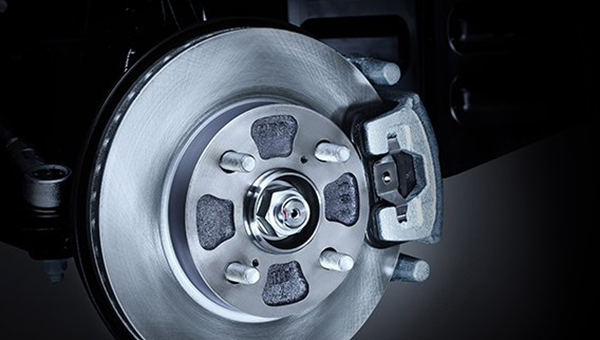
Think of your car’s brake system like a pair of pliers. The brake rotor is the spinning disc, and the brake caliper is the “jaw” that squeezes it. When you press down on the brake pedal, the caliper grips the rotor and uses friction to slow you down—and eventually bring your car to a stop.
Your brake calipers are the ones actually doing the hard work of stopping your car. They’re the key to creating the braking force that keeps you safe. If your calipers aren’t working right, they can throw off your entire braking system. You might notice longer stopping distances, or worse, your brakes could completely fail.
Catching any early signs of trouble could save you from much bigger issues down the road—issues that could affect your safety.
Common Signs of Bad Brake Calipers
The sooner brake caliper issues are noticed, the better it is for avoiding dangerous driving situations and saving owners costly repairs. Here are key signs to watch for:
Uneven Brake Pad Wear
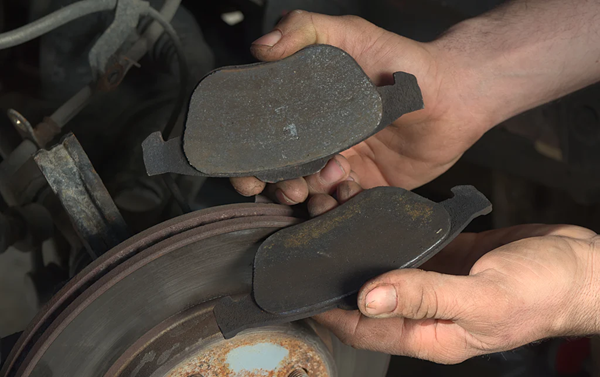
The simplest way to determine if your brake calipers are damaged is to inspect the brake pads. If the calipers are malfunctioning, it can cause uneven force distribution on the pads, leading to uneven wear. You might notice that one side of the pad is more worn down than the other. This imbalance can also lead to damage to your brake rotor over time.
- What to watch for: Take a look at your brake pads. If you see that they’re wearing down unevenly, especially on just one side, that could be a sign that your caliper isn’t doing its job right. Not only can this make your braking less effective, but it could also lead to damage to your rotor, which can get expensive to fix.
Car Pulls to One Side When Braking

If your car pulls to one side when you brake, the brake calipers might be the cause. When your brake calipers malfunction, it causes your brake pads to wear unevenly. This makes one wheel slow down faster than the other, causing your car to pull toward the side with the problem.
- What to watch for: If you feel the car drifting to one side, especially when you brake suddenly or at higher speeds, the caliper might be sticking. This problem isn’t just annoying—it can be dangerous because it makes it harder to stop in a straight line, which can affect your control of the car.
Squeaking or Grinding Noises
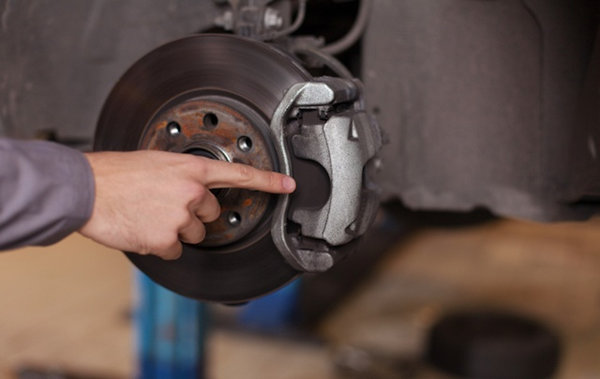
While brake pads do experience natural wear, a faulty caliper can accelerate this wear or cause uneven wear, resulting in a shrill noise during braking. This is usually caused by the caliper not functioning properly, leading to poor contact between the brake pads and the brake rotor.
- What to look for: If you hear squealing or grinding noises after braking, you should inspect the brake calipers. Never ignore this issue, as it can cause severe damage to the brake rotors, resulting in substantially higher repair costs.
Vibration or Pulsation in the Brake Pedal

When a brake caliper fails, it can cause the brake pads to press unevenly on the brake rotor. This can lead to pulsing or vibration in the brake pedal or steering wheel. This happens because your brake calipers aren’t pressing the brake pads down evenly, causing them to make uneven contact with the brake rotor.
- What to watch for: If you feel the brake pedal or steering wheel pulse when you apply the brakes, it’s likely that a caliper is sticking or malfunctioning. It’s important to get this checked out quickly, as it could lead to more serious issues with your brakes.
Brake Fluid Leaks
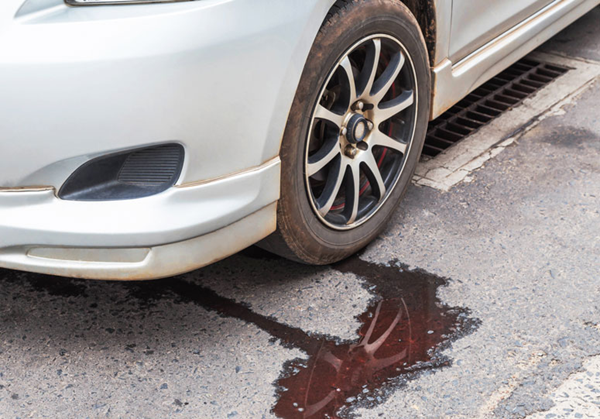
Brake calipers are designed to store brake fluid under pressure. If brake fluid leakage is found around the caliper, this is a critical warning sign. Leaks can cause hydraulic pressure loss, reducing braking effectiveness and potentially leading to complete brake system failure.
- What to look for: Inspect the area near the brake calipers for water stains or oil residue. If liquid accumulation is observed near the wheel hub, schedule a caliper inspection immediately. A brake fluid leak constitutes a critical malfunction that not only compromises the safety of the vehicle’s braking system but also poses a threat to driving safety.
Overheating and Brake Fade
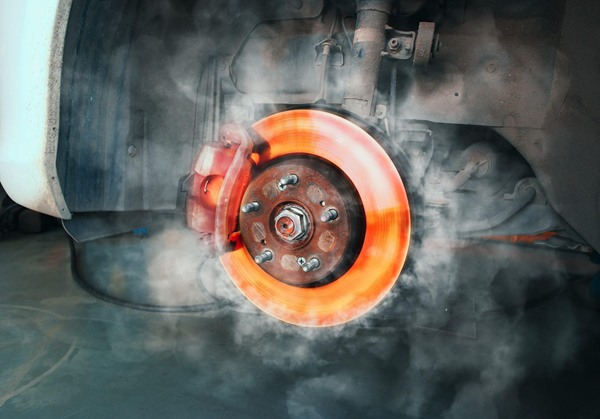
A faulty caliper can cause the braking system to overheat. When the caliper cannot release properly, the brake pads continue to touch the rotor, generating excessive heat. The result could be brake failure.
- What to look for: If you notice spongy or unresponsive brakes after frequent use (especially on mountain roads or during continuous downhill driving), this could indicate caliper overheating. Bad braking is a serious safety hazard.
Visible Damage or Rust
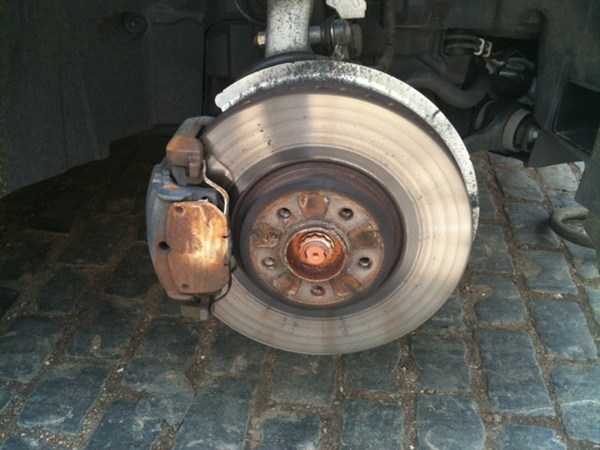
Brake calipers exposed to the natural environment over extended periods may develop rust, cracks, or corrosion over time. Visible damage can significantly impair their performance, leading to uneven braking, noise, or even total failure.
- What to look for: If you see rust or physical damage on the calipers, it’s time for a professional inspection. Rust on the calipers may cause them to seize, while cracks may result in brake fluid leakage or caliper malfunction.
How to Address Brake Caliper Issues Professionally
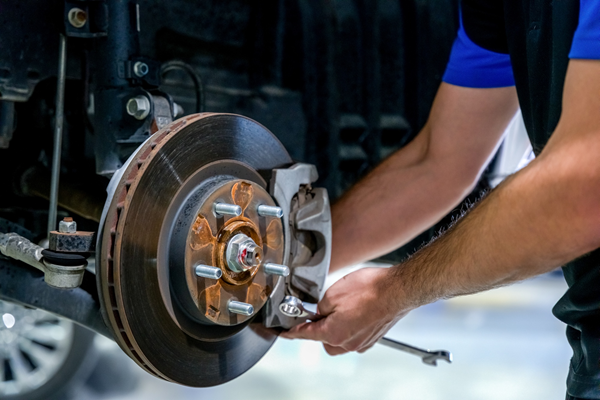
Regular Inspections
Ensure regular inspection of the brake system. Catching caliper problems early through routine maintenance will allow businesses to offer timely repairs and avoid emergencies for customers.
Educate Customers
First, you need to help your customers understand the importance of brake calipers and the signs of their failure. By providing educational materials or a quick briefing during service appointments, businesses can ensure that customers know when their brakes are at risk.
Offer Preventive Maintenance
Proactively suggesting preventive brake maintenance—like brake fluid flushes or pad replacements—can help prevent caliper failure and extend the life of the entire brake system.
Why You Should Know the Signs of Faulty Calipers
As a brake caliper salesperson, knowing the signs of faulty calipers is essential for several reasons:
- More Sales Opportunities: When you can spot the signs of a bad caliper and explain them to customers, you show that you understand their needs. This helps build trust, making them more likely to choose you when they need to replace their calipers.
- Provide Expert Advice: Customers don’t just want to buy products; they want solutions. By knowing the common signs of caliper failure, you can offer helpful advice and recommend the right parts. This expertise makes customers more confident in your recommendations.
- Better Customer Satisfaction: Identifying a faulty caliper early can save your customers from bigger, more expensive repairs later. Plus, it keeps their vehicle safe. When customers feel they’ve received good advice and service, they’re more likely to return and recommend you to others.
- Build Lasting Relationships: When you regularly assist customers in solving their problems, they’re more likely to return when they need parts down the road. This not only helps you create a loyal customer base but also reinforces your reputation as someone who genuinely cares about their ongoing needs and satisfaction.
Conclusion
Brake caliper malfunctions can severely compromise a vehicle’s braking performance and driving safety. By paying attention to common warning signs—such as uneven brake pad wear, pulling to one side during braking, or unusual noises—vehicle owners can detect issues early and avoid costly repairs. For brake repair businesses, promptly identifying these issues not only enables more professional service but also builds customer trust and prevents larger repair expenses. Regular inspection and understanding of caliper problems are crucial for ensuring customer safety and maintaining business reputation.