Choosing between OEM and aftermarket brake calipers sounds simple—until warranty claims pile up, margins shrink, and customers complain about inconsistent quality. Many distributors learn this the hard way. The right sourcing decision can protect your profits, reduce returns, and help you grow faster in competitive automotive markets.
OEM brake calipers are best for buyers who prioritize original fitment, brand recognition, and dealership-level consistency. Aftermarket brake calipers often offer better pricing, wider vehicle coverage, stronger profit margins, and private-label opportunities. For most distributors and wholesalers, the better option depends on your target market, customer expectations, and long-term sourcing strategy.
But here’s what many articles miss: this decision looks very different when you’re buying thousands of units, not replacing one brake caliper for your personal vehicle.
If you’re a distributor in North America, a wholesaler in Latin America, an importer in Africa, or a private-label buyer in the Middle East, your priorities are completely different.
Let’s break down what actually matters.
What Are OEM Brake Calipers?
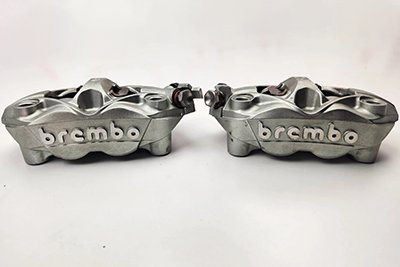
OEM brake calipers are produced according to the original vehicle manufacturer’s specifications.
These calipers are usually:
- Sold through dealerships
- Designed for exact vehicle fitment
- Built to match original factory performance
- More expensive than aftermarket options
For example, if someone owns a Toyota Corolla and wants the exact same brake caliper originally installed at the factory, they may prefer OEM.
For distributors, OEM brake calipers can make sense when serving:
- Authorized dealerships
- Premium repair networks
- Customers who strongly prefer original parts
- Markets with strict repair standards
Advantages of OEM Brake Calipers
- Consistent fitment
- Lower compatibility concerns
- Stronger consumer trust
- Lower perceived risk for repair shops
Disadvantages of OEM Brake Calipers
- Higher purchase costs
- Lower profit margins
- Limited customization options
- Strict brand restrictions
- Longer sourcing channels in some regions
For many independent wholesalers, OEM pricing often becomes the biggest issue.
What Are Aftermarket Brake Calipers?
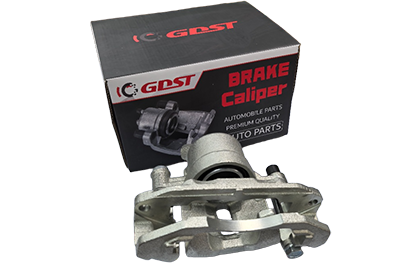
Aftermarket brake calipers are produced by third-party manufacturers instead of original vehicle brands.
These products can include:
- New brake calipers
- Remanufactured brake calipers
- Performance brake calipers
- Private-label brake calipers
This market is significantly larger because it serves both old and new vehicles.
For example:
A distributor in Africa may need affordable brake calipers for older Japanese vehicles.
A Latin American importer may want wider SKU coverage for mixed vehicle fleets.
A North American buyer may want premium aftermarket brake calipers with competitive pricing.
This is where aftermarket suppliers often win.
Why Many Wholesale Buyers Prefer Aftermarket Brake Calipers?
1. Better Profit Margins
This is usually the biggest reason.
OEM products often leave very little room for pricing flexibility.
Aftermarket brake calipers typically offer:
- Lower factory prices
- Better resale margins
- Bulk discounts
- Higher profitability for distributors
If you’re supplying independent repair shops, the aftermarket often creates stronger margins.
2. Wider Vehicle Coverage
Many OEM suppliers focus only on current vehicle models.
Aftermarket manufacturers often support:
- Older vehicles
- Discontinued models
- Regional vehicle demands
- Commercial vehicle applications
This is especially important in:
- Africa
- Latin America
- Southeast Asia
- Middle East markets
Older vehicles stay on the road much longer in these regions.
3. Private Label Opportunities
This is something many buyers overlook.
With OEM products:
You sell someone else’s brand.
With aftermarket manufacturing:
You can build your own brand.
This creates long-term value.
For example, GDST helps global distributors with:
- Custom logo printing
- Private packaging
- SKU customization
- Bulk wholesale support
- Regional product strategies
Many distributors eventually move from simple trading to brand building.
4. Faster Inventory Expansion
Aftermarket suppliers often release new SKUs faster than OEM channels.
That means distributors can quickly expand into:
- New vehicle models
- New geographic markets
- New customer segments
This flexibility matters when market demand shifts quickly.
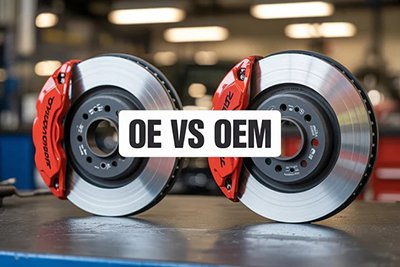
OEM vs Aftermarket Brake Calipers: Cost Comparison
Let’s be honest.
Many buyers initially focus only on unit price.
That’s a mistake.
You should calculate:
- Purchase cost
- Shipping cost
- Import taxes
- Warranty losses
- Return rates
- Inventory turnover speed
Sometimes a cheaper brake caliper becomes expensive after warranty claims.
Sometimes a higher-priced product creates better long-term profitability.
Always evaluate total landed cost.
Warranty Risk: A Major Concern for Importers
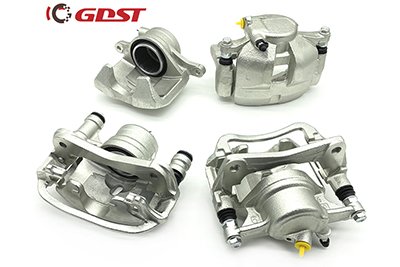
Brake calipers directly affect vehicle safety.
Poor-quality products can create serious issues:
- Fluid leaks
- Seized pistons
- Uneven braking
- Premature failure
- Customer complaints
Before choosing any brake caliper manufacturer, ask about:
- Pressure testing
- Salt spray testing
- Material standards
- Quality inspections
- Warranty policies
Reliable suppliers should provide documentation.
Market Strategy by Region
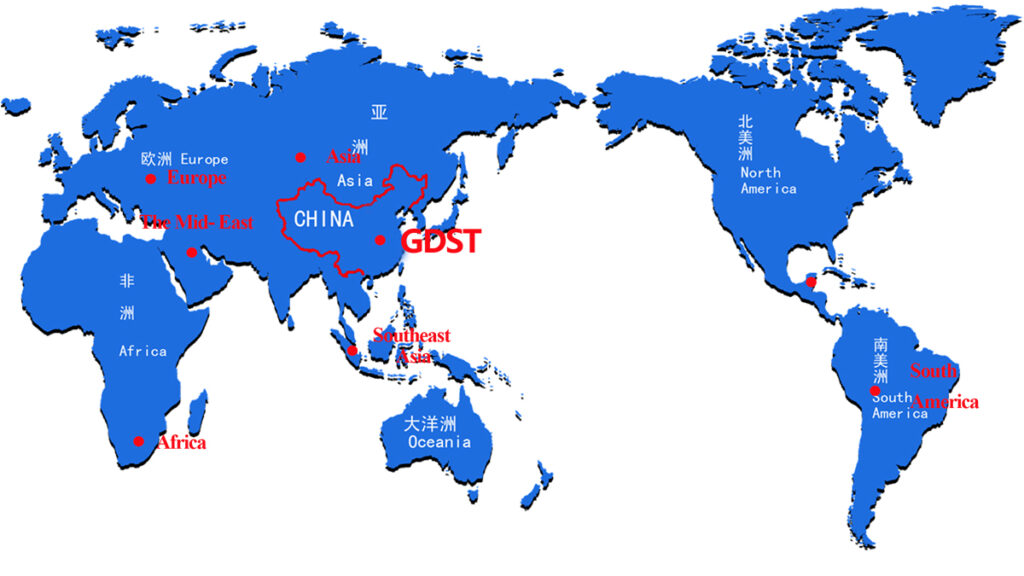
Different markets require different sourcing strategies.
North America
Customers expect:
- Reliable fitment
- Lower failure rates
- Fast shipping
- Strong warranties
Premium aftermarket products often perform well here.
Latin America
This market is highly price-sensitive.
Buyers often prioritize:
- Affordable pricing
- Broad SKU selection
- Older vehicle compatibility
Aftermarket usually dominates.
Middle East
Extreme heat creates unique challenges.
Buyers often look for:
- Durable materials
- Corrosion resistance
- Stable supply chains
Africa
Affordability matters most.
Demand often focuses on:
- Japanese vehicles
- Commercial fleets
- Durable replacement parts
Southeast Asia
Mixed vehicle populations create opportunities for broad aftermarket catalogs.
Europe
Buyers may prioritize:
- Certifications
- Compliance
- Product documentation
- Stable quality control
Common Mistakes Buyers Make When Sourcing Brake Calipers
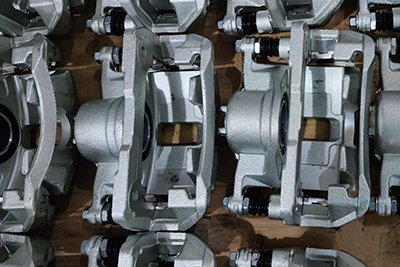
Most problems in brake caliper sourcing don’t come from manufacturing—they come from bad procurement decisions made before production even starts.
Here are the mistakes that repeatedly cost distributors money.
Buying based only on price
Cheap products often create expensive returns.
Ignoring factory audits
Always verify manufacturing capabilities.
Not checking raw materials
Ask about:
- Aluminum quality
- Cast iron standards
- Piston materials
- Seal durability
Weak warranty agreements
Always define responsibility before ordering.
Poor SKU planning
Too many slow-moving SKUs can hurt cash flow.
Why More Global Buyers Choose GDST Brake Calipers
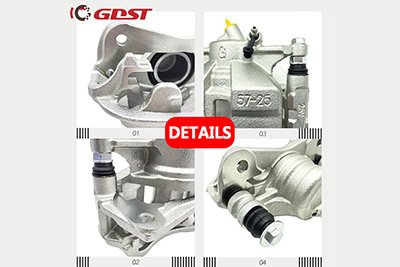
At GDST, we understand that distributors need more than just low prices.
They need stable partnerships.
Our factory supports buyers across:
- North America
- Latin America
- Middle East
- Africa
- Southeast Asia
- Europe
We help partners with:
- Wide brake caliper SKU coverage
- Strict quality control
- Private label services
- Competitive wholesale pricing
- Export experience
- Consistent production capacity
Whether you’re launching your own brand or expanding your distribution business, we help buyers build long-term growth, not just complete one transaction.
Final Thoughts
There’s no universal winner in the OEM vs aftermarket brake caliper debate.
OEM works well for strict fitment needs.
Aftermarket often wins in profitability, flexibility, and growth potential.
For distributors and wholesale buyers, the smartest decision is choosing the option that fits your market—not following what everyone else is doing.
FAQ
High-quality aftermarket brake calipers can match OEM performance, but consistency depends on the manufacturer’s machining precision, sealing materials, and quality control.
OEM calipers follow strict production standards, including material selection, machining tolerances, and testing processes, which increase manufacturing costs.
OEM is better for stability and trust, while aftermarket is better for margin and flexibility. Most distributors benefit from combining both.
The biggest risk is inconsistent quality between batches, especially in piston fit, sealing performance, and durability.