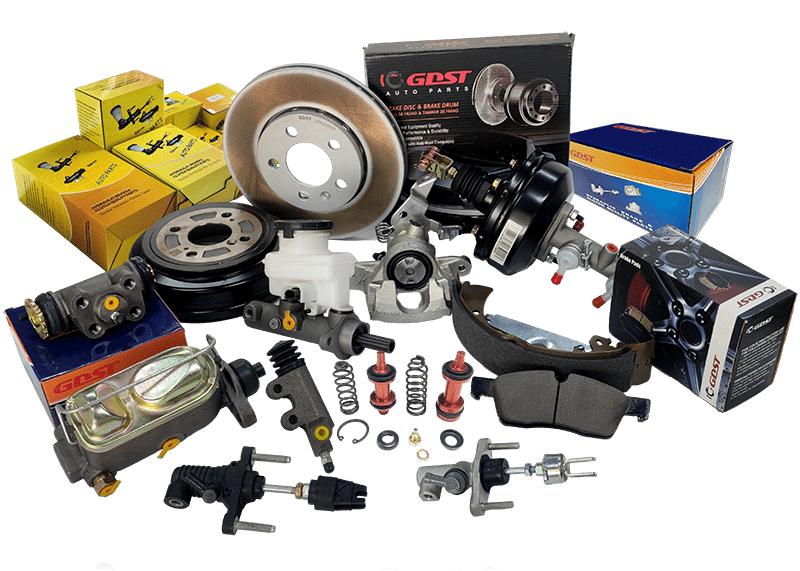
Heavy-duty trucks operate under high loads, long driving hours, and demanding road conditions every day. If the brake caliper performance is insufficient, it can increase maintenance costs and even affect driving safety. For B2B buyers, choosing durable, stable, and high-performance brake calipers has become an important part of reducing operational risks and maintenance expenses.
Heavy-duty truck brake calipers are one of the core components of a commercial vehicle braking system. They are responsible for pushing the brake pads against the brake rotor to create stopping force. A high-quality brake caliper should provide stable braking performance, excellent heat dissipation, durable materials, and long service life. For B2B buyers, selecting OEM-compatible brake calipers with low maintenance costs and reliable quality is essential. GDST brake calipers are designed with strict quality control and high-durability engineering to meet the demanding requirements of heavy-duty truck applications.
In this guide, we will explore the different types of brake calipers, common brake caliper problems, and the key factors B2B buyers should consider when sourcing heavy-duty truck brake parts.
What Type of Brake Systems Do Heavy Duty Trucks Use?
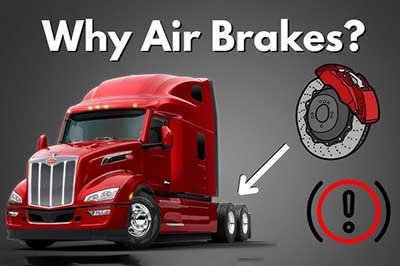
Most heavy-duty trucks use air brake systems because they provide stronger braking force and better safety for commercial vehicles.
In a truck brake system, the brake caliper plays a critical role. When the driver presses the brake pedal, air pressure activates the brake caliper, which pushes the brake pads against the brake disc to slow down the vehicle.
For commercial fleets, reliable brake calipers directly affect:
- Braking distance
- Vehicle safety
- Brake response
- Tire wear
- Maintenance costs
What Are the Main Types of Brake Calipers?
There are two major types of brake calipers used in commercial vehicles.
Floating Brake Caliper
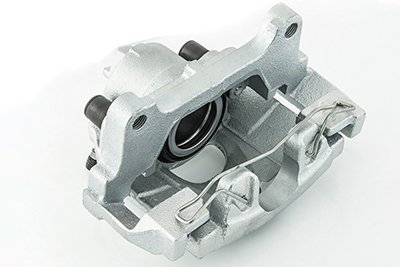
Floating brake calipers are widely used because of their simple structure and lower manufacturing cost.
Key advantages include:
- Lightweight design
- Easy maintenance
- Lower production cost
- Suitable for large-scale commercial use
However, under extreme operating conditions, floating calipers may offer less braking consistency compared to fixed calipers.
Fixed Brake Caliper
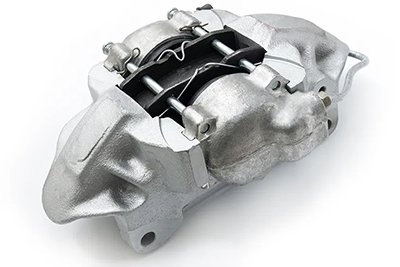
Fixed brake calipers usually feature multiple pistons and provide stronger and more balanced braking force.
Advantages include:
- Faster brake response
- Better heat dissipation
- Improved stability
- Better performance under heavy loads
This is why many premium commercial vehicle brake caliper systems use fixed caliper designs.
Floating Disc Brake vs Fixed Brake: What Is the Difference?
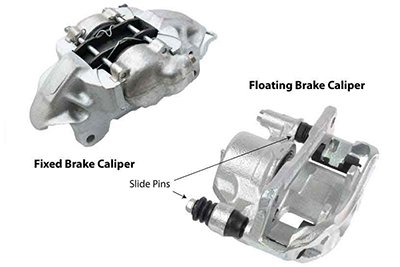
This is one of the most common questions among B2B buyers.
| Comparison | Floating Brake | Fixed Brake |
|---|---|---|
| Cost | Lower | Higher |
| Braking Force | Moderate | Stronger |
| Heat Dissipation | Standard | Better |
| Maintenance Cost | Lower | Medium |
| Heavy Load Performance | Good | Excellent |
For trucks operating in:
- Mountain roads
- High-temperature environments
- Long-distance transportation
- Heavy-load applications
Fixed brake calipers are usually the better choice.
Reference Resource: Floating vs Fixed Brake Calipers
How to Choose the Right Brake Caliper for Heavy-Duty Trucks?
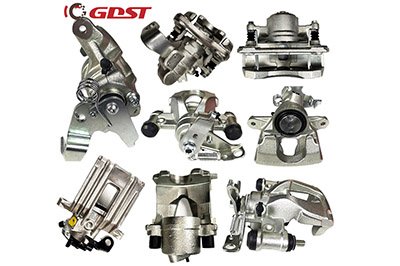
B2B buyers should evaluate several important factors when sourcing brake calipers.
Stable Braking Performance
A high-quality brake caliper should provide:
- Consistent braking force
- Reliable high-temperature performance
- Stable brake response
This is essential for commercial vehicle safety.
Material Quality
Common materials include:
- Cast iron
- Aluminum alloy
- High-strength steel
Heavy-duty trucks usually require high-strength cast iron brake calipers because of their excellent heat resistance and durability.
GDST brake calipers use durable materials designed for demanding transportation environments.
OEM Compatibility
B2B buyers should ensure:
- Accurate fitment
- Easy installation
- OEM-standard performance
This helps reduce after-sales issues and maintenance risks.
Service Life
Brake caliper lifespan directly affects:
- Fleet operating costs
- Downtime
- Spare parts inventory
This is why many buyers prioritize durability over low pricing.
Supplier Reliability
A professional brake caliper manufacturer should provide:
- Stable production capacity
- Quality control systems
- OEM/ODM capability
- Export experience
GDST specializes in heavy duty truck brake parts and supports global customers with stable supply solutions.
Common Heavy Duty Truck Brake Caliper Problems
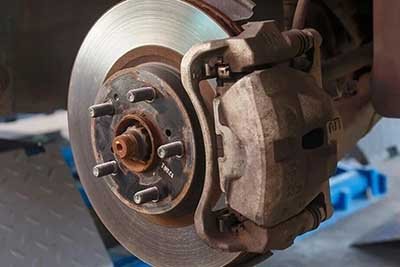
Several brake caliper problems are common in commercial vehicles.
Uneven Braking
Possible causes include:
- Sticking pistons
- Uneven brake pad wear
- Damaged guide pins
Brake Noise
Brake noise is often related to:
- Brake pad issues
- Incorrect installation
- Rotor wear
Fluid or Air Leakage
Damaged seals may lead to:
- Reduced braking force
- Safety risks
Regular maintenance is important.
Brake Caliper Seizing
Brake caliper sticking is a common issue in heavy-duty trucks.
Main causes include:
- Excessive heat
- Corrosion
- Poor lubrication
Reference Resource: Signs of Bad Brake Calipers
What Affects Brake Caliper Lifespan?
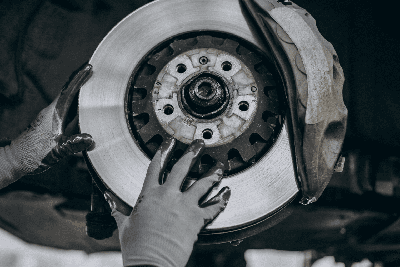
Several factors influence brake caliper durability:
- Driving habits
- Overloading
- Road conditions
- High temperatures
- Material quality
- Maintenance frequency
For commercial fleets, choosing corrosion-resistant and heat-resistant brake calipers can significantly reduce long-term maintenance costs.
Reference Resource: How Long Do Brake Calipers Last?
OEM Brake Calipers vs Aftermarket Brake Calipers
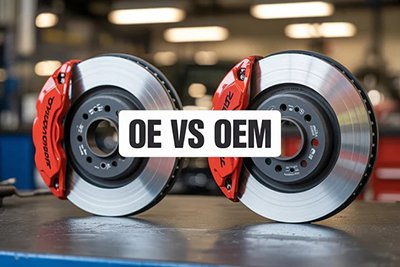
Many buyers compare OEM and aftermarket brake calipers before purchasing.
OEM Brake Calipers
Advantages:
- Original factory standards
- Strong compatibility
Disadvantages:
- Higher cost
- Longer lead times
Aftermarket Brake Calipers
Advantages:
- Better pricing
- Flexible supply
- Customization options
With modern manufacturing technology, many aftermarket brake calipers now meet international quality standards.
GDST provides OEM/ODM brake caliper solutions for global B2B customers.
Why Are More Buyers Choosing Chinese Brake Caliper Manufacturers?
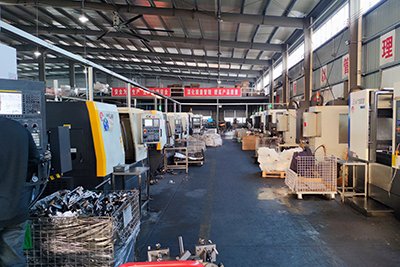
China has become a major supplier of commercial vehicle brake calipers in recent years.
Key advantages include:
Competitive Pricing
China’s mature supply chain helps reduce production and purchasing costs.
Flexible OEM/ODM Services
Many buyers require:
- Custom logos
- Private label packaging
- Customized specifications
Chinese manufacturers often provide more flexible solutions.
Strong Export Experience
Professional brake caliper suppliers usually offer:
- International certifications
- Global market experience
- Stable delivery systems
GDST brake calipers are exported to multiple international markets and support long-term B2B cooperation.
Reference Resource: Top 10 Brake Caliper Manufacturers in China
How to Find a Reliable Heavy Duty Truck Brake Caliper Supplier?
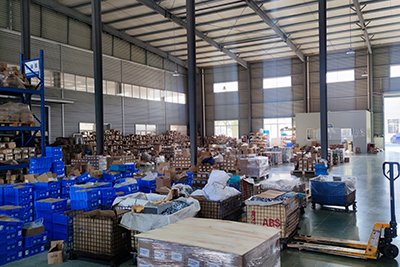
When choosing a supplier, buyers should evaluate:
Manufacturing Capability
Check:
- Production lines
- Testing equipment
- Quality management systems
Product Testing Standards
Reliable brake calipers should pass:
- Durability testing
- Heat resistance testing
- Fatigue testing
- Salt spray testing
Export Experience
Experienced exporters usually provide:
- Better communication
- Stable delivery
- International market knowledge
After-Sales Support
Long-term partnerships require:
- Technical support
- Fast response
- Stable inventory
GDST is committed to providing reliable heavy duty truck brake caliper solutions and long-term support for global customers.
FAQ
It depends on operating conditions and maintenance frequency. Heavy-duty truck brake calipers should be inspected regularly and replaced if sticking, leakage, or braking performance issues occur.
Common signs include:
1. Brake noise
2. Uneven braking
3. Reduced braking force
4. Overheating
If the internal structure is severely worn or damaged, replacement is usually safer and more cost-effective.
Yes. High-performance brake calipers can improve:
1. Brake response
2. Heat dissipation
3. High-temperature stability
Yes. GDST provides OEM/ODM brake caliper solutions, including customized specifications, packaging, and branding services.
Conclusion
Choosing the right heavy-duty truck brake caliper is essential for vehicle safety, operational efficiency, and maintenance cost control. For B2B buyers, durability, stable quality, and reliable supply chains are equally important.