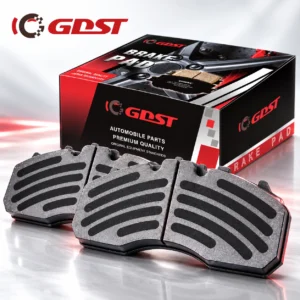
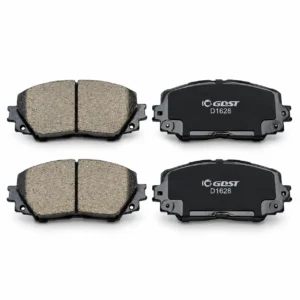

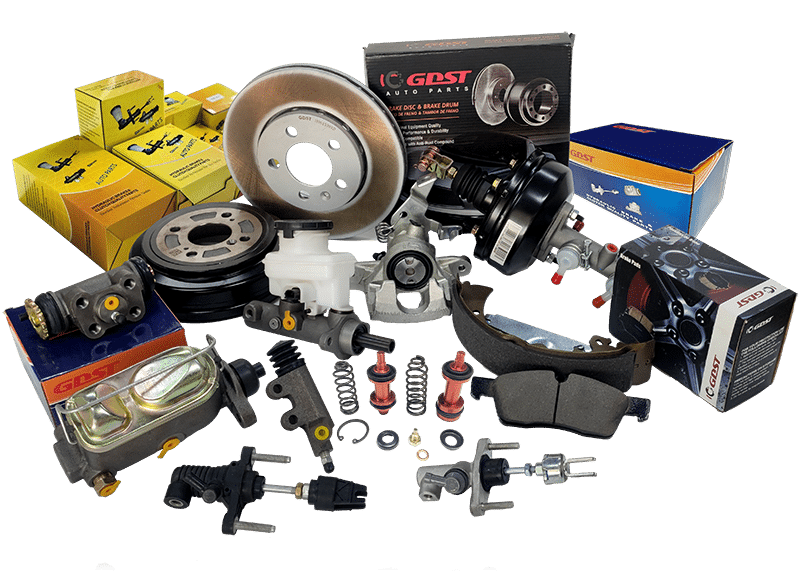

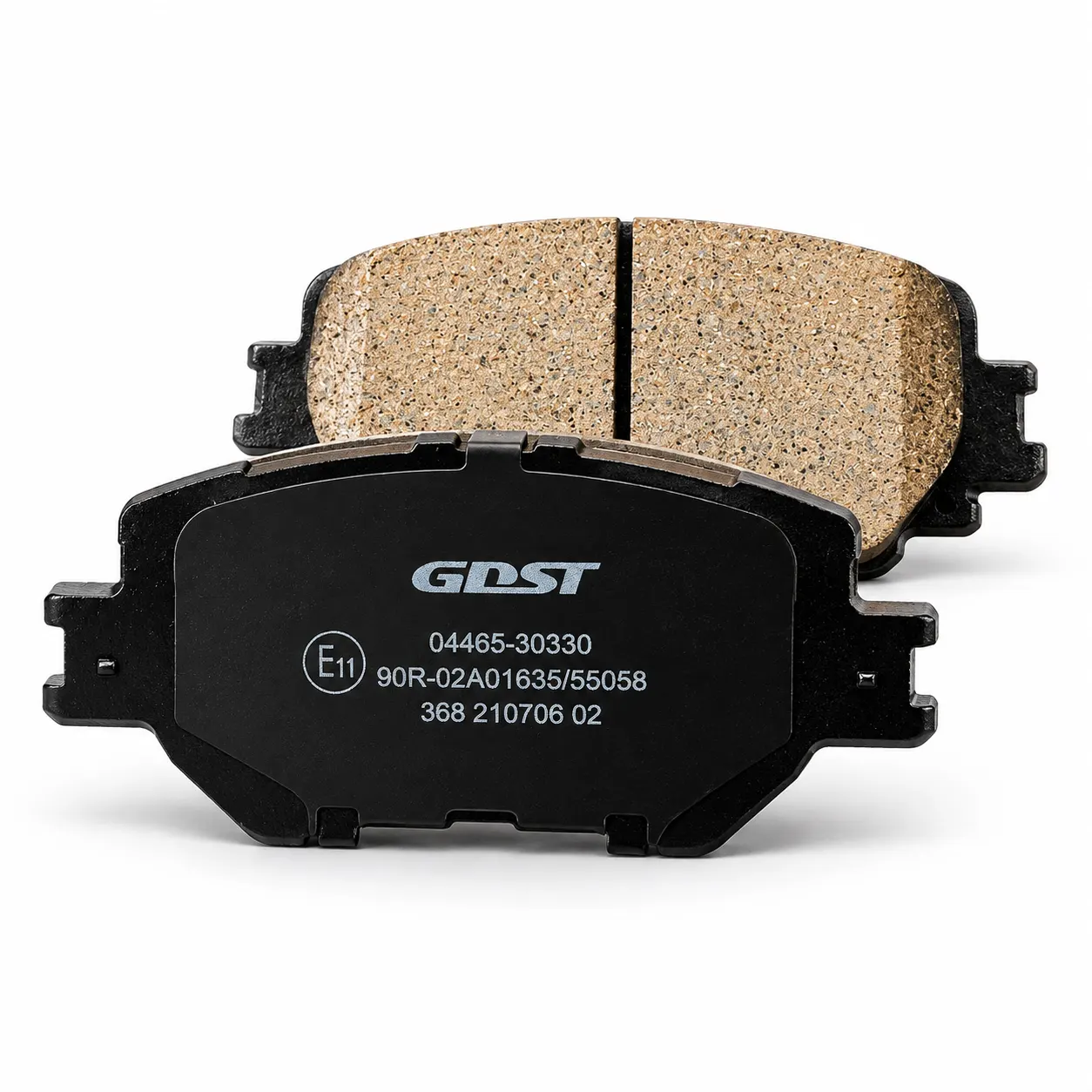
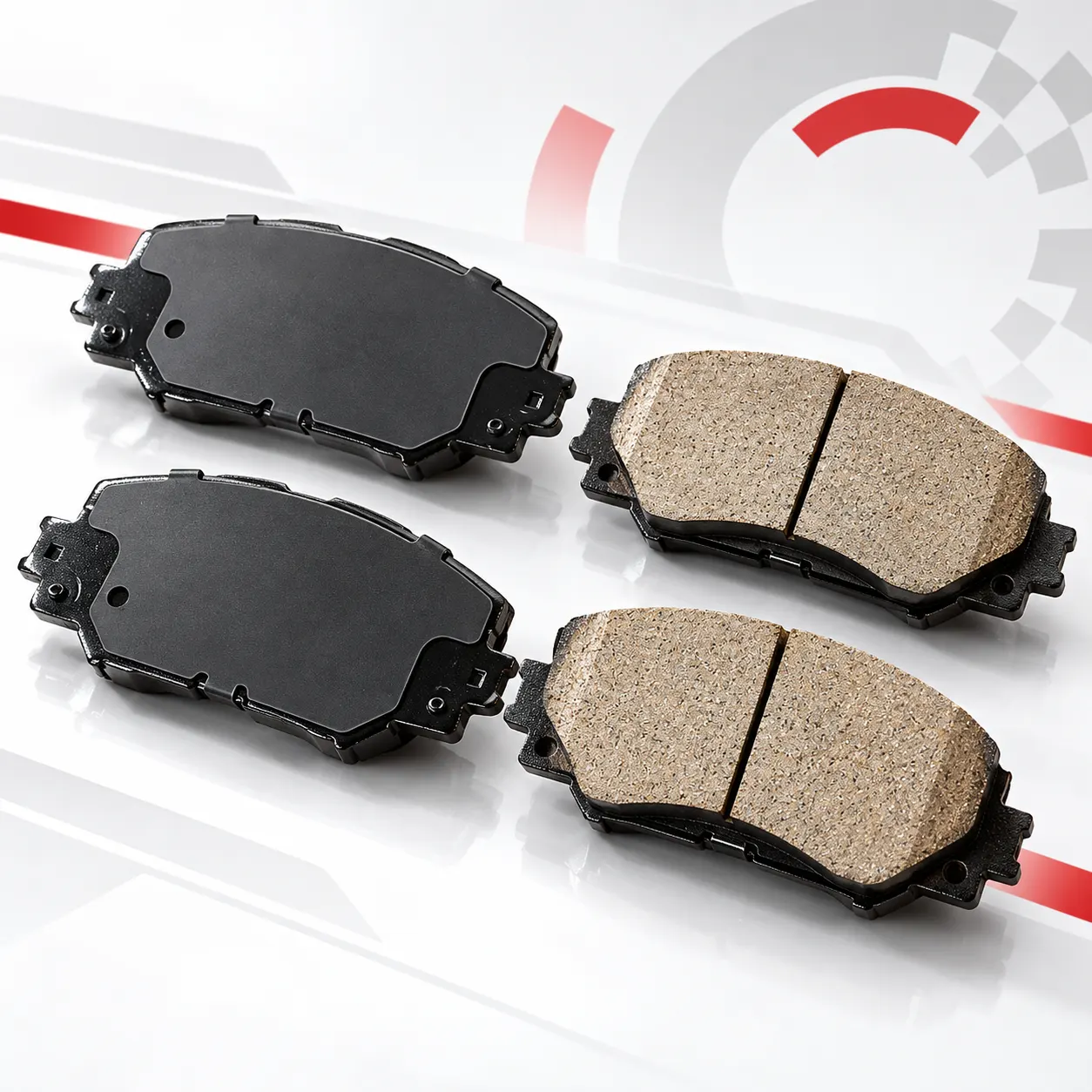
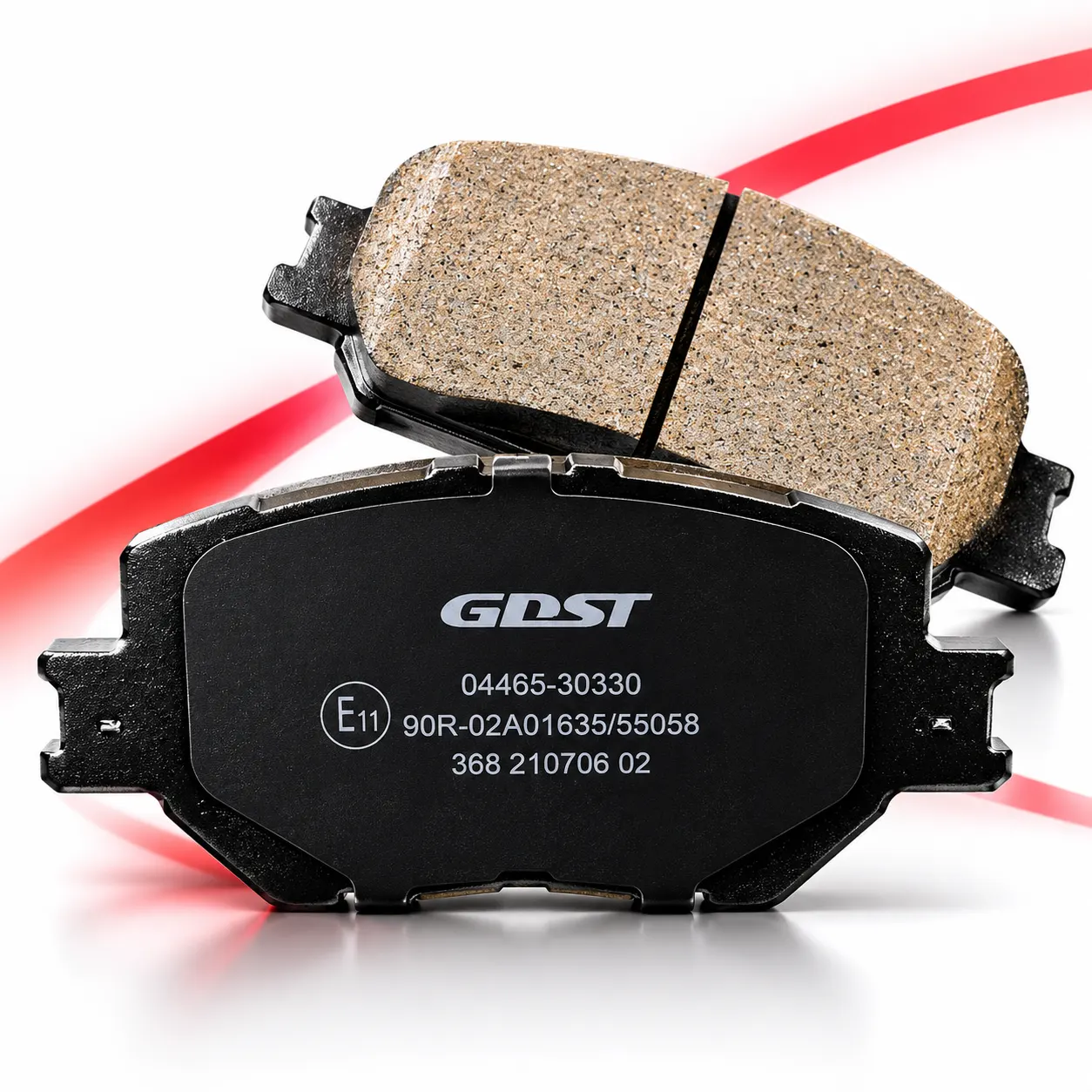
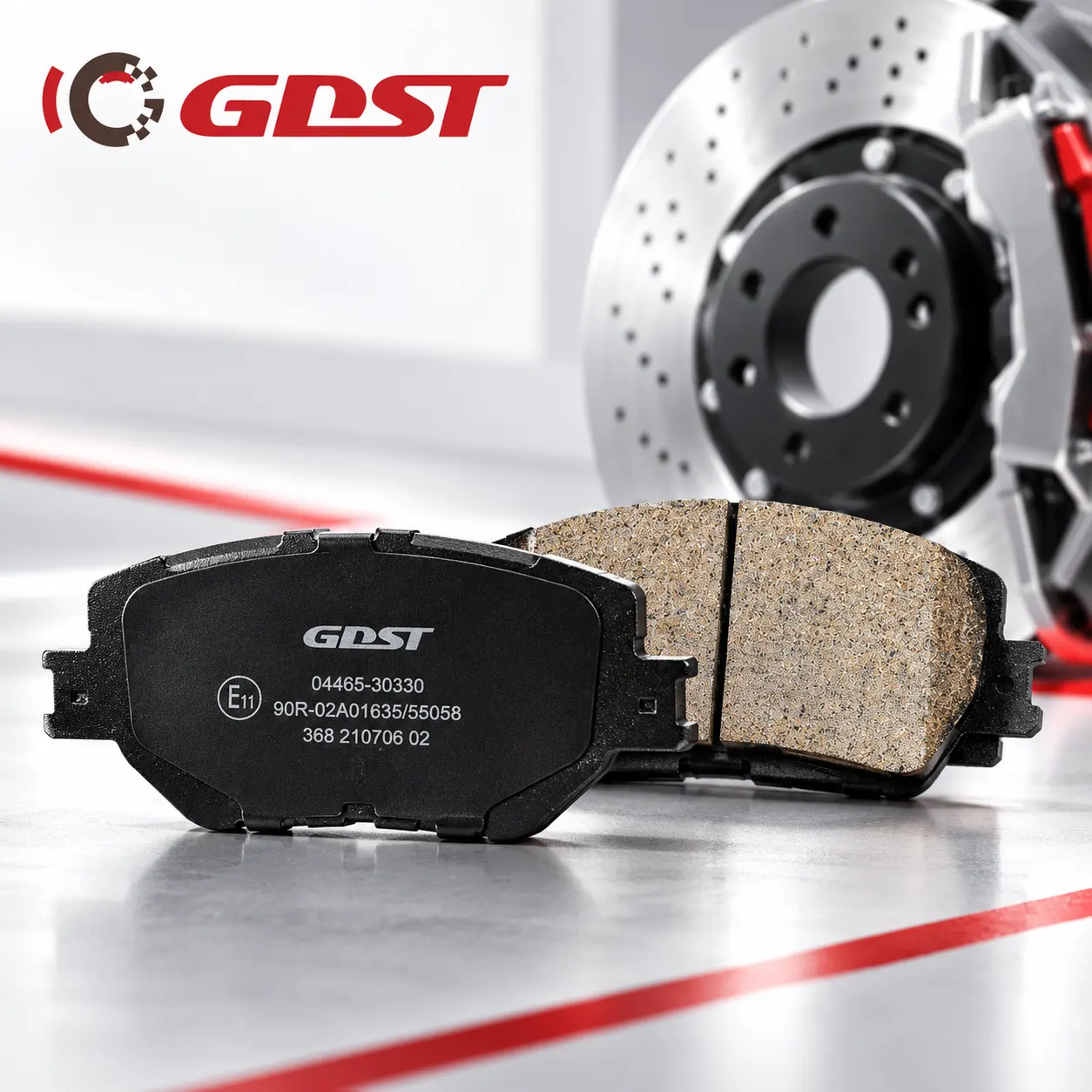
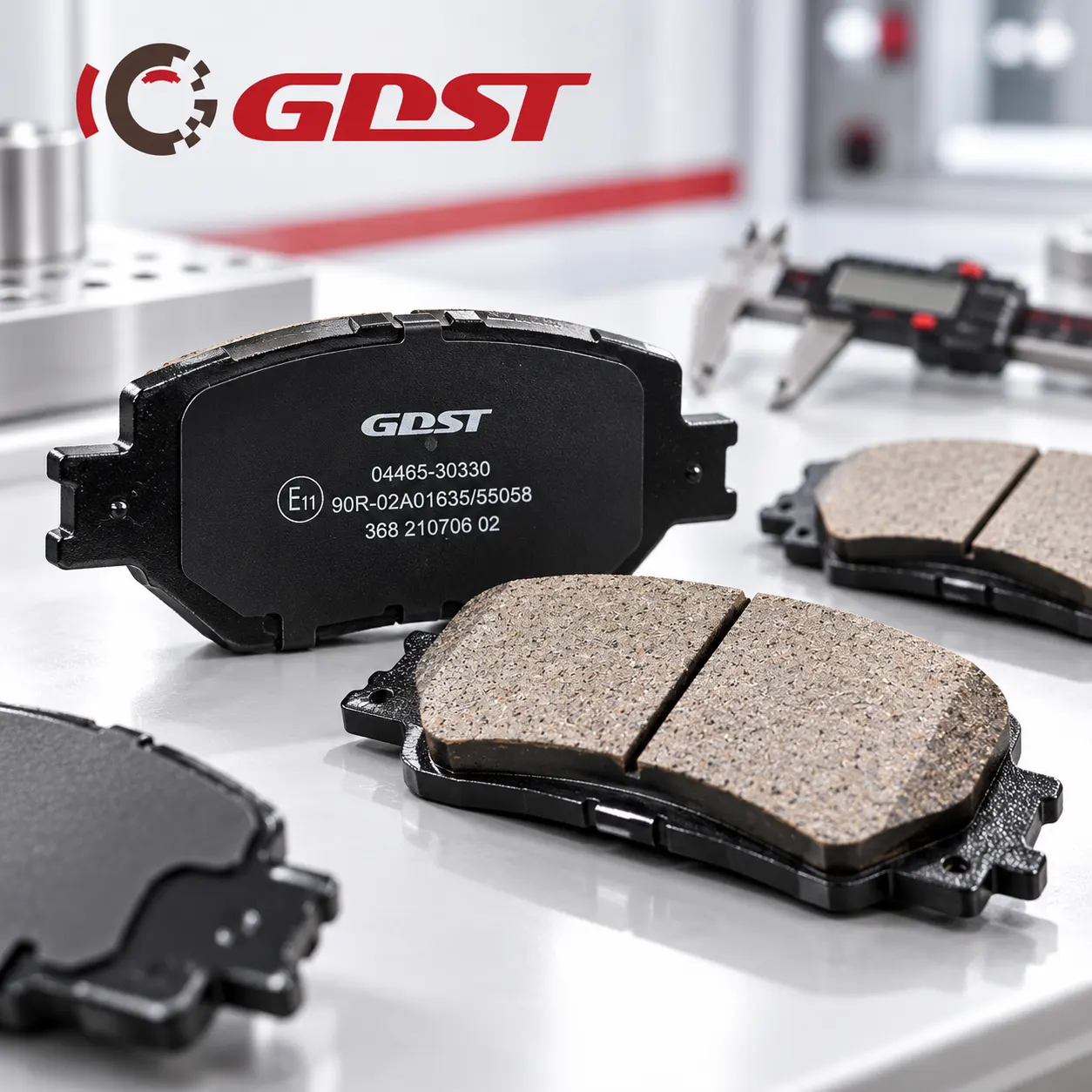
Wuhu GDST Auto Parts Co.,Ltd supplies car brake pads for passenger vehicle applications across Japanese, Korean, European, American, and German vehicle markets. Our product range includes ceramic, low-metallic, and semi-metallic brake pads for aftermarket distributors, importers, wholesalers, and private-label brands.
Our existing catalog lists more than 3,000 brake pad models and 26 friction formulations. We support product selection, formulation discussions, model-reference reviews, technical documentation requests, and customized packaging for qualified projects.
Whether you are sourcing replacement car brake pads, expanding your aftermarket catalog, or developing a private-label product range, GDST can help you review your requirements and identify suitable models.
• Multiple friction formulation options
• Model-reference and fitment information review
• Product configuration and accessory discussions
• Documented friction and compression test records for selected samples
• Wholesale sourcing and private-label project support
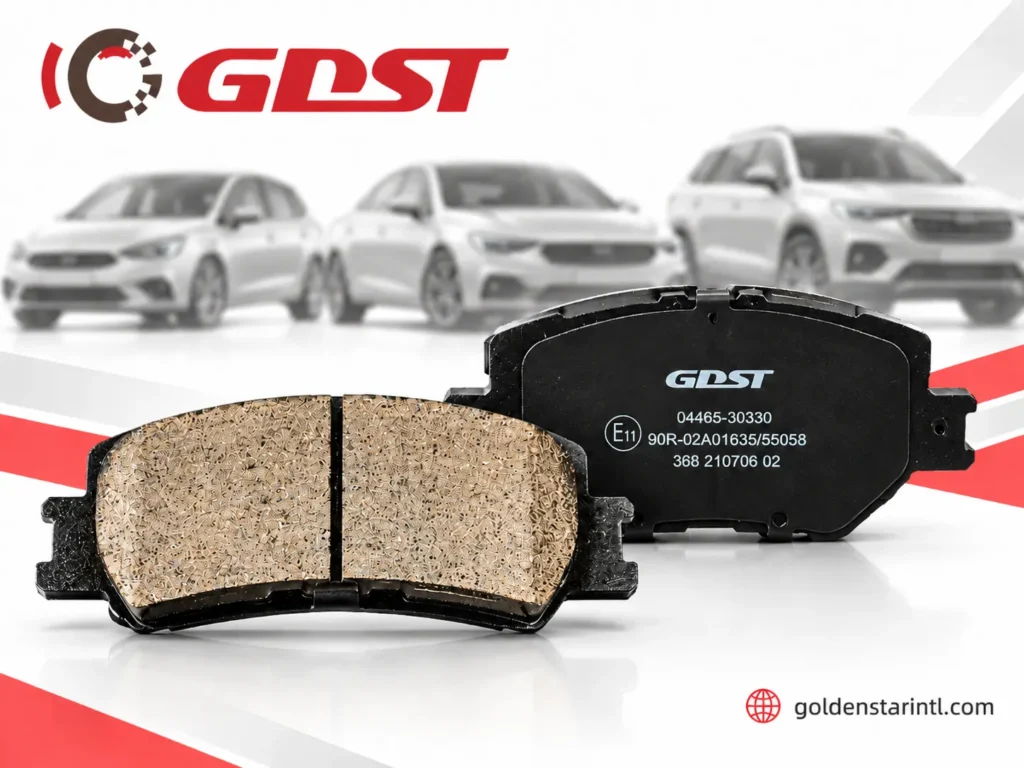
Different vehicle applications require different brake pad shapes, dimensions, friction formulations, and hardware configurations. Selecting the correct replacement brake pad starts with accurate vehicle and part-number identification.
GDST’s brake pad range covers multiple vehicle markets, helping distributors and importers source products for their target applications.
The actual model coverage depends on the current catalog and confirmed vehicle fitment. Contact our team with your part numbers or application list to check availability.
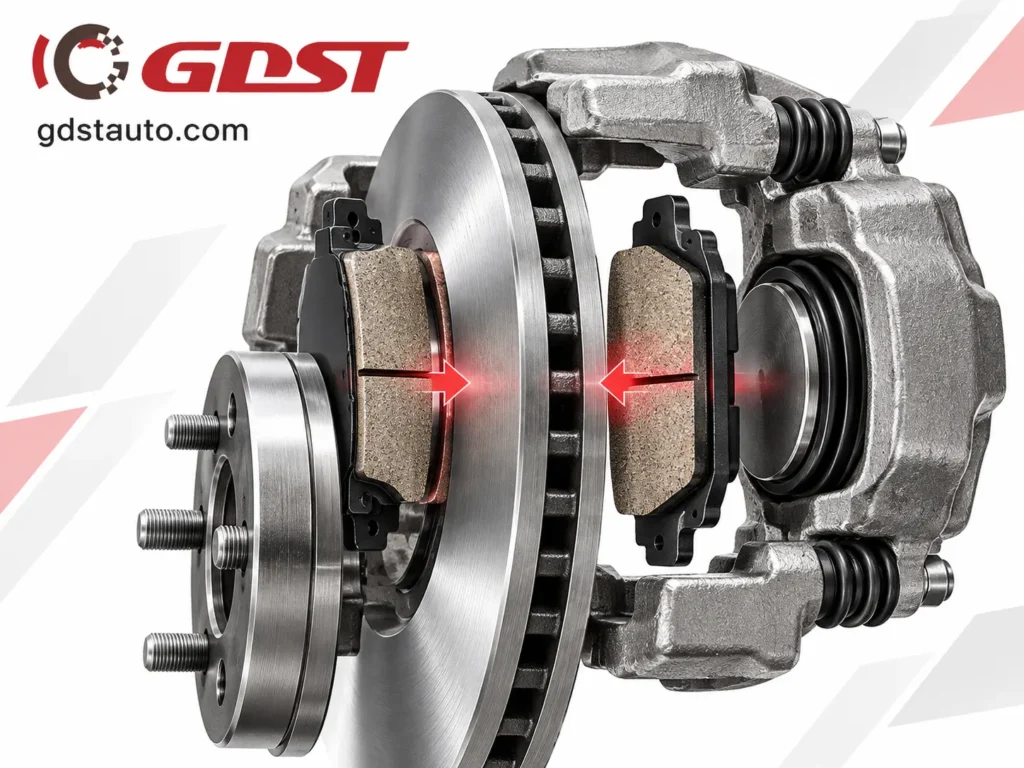
Car brake pads are friction components used in disc brake systems. When the driver applies the brakes, hydraulic pressure activates the brake caliper, pressing the pads against the rotating brake rotor. Friction converts the vehicle’s kinetic energy into heat, slowing the wheel and helping bring the vehicle to a stop.
Brake friction materials are engineered composites rather than simple, uniform blocks of material. Their composition, contact behavior, and friction characteristics influence braking performance and wear. Temperature, contact pressure, and sliding velocity can also affect the behavior of the friction interface [1][2].
A typical brake pad assembly consists of:
Because brake pads gradually wear during use, selecting the correct replacement involves more than matching the external shape. Part number, vehicle fitment, dimensions, friction formulation, and required accessories should all be confirmed before ordering.
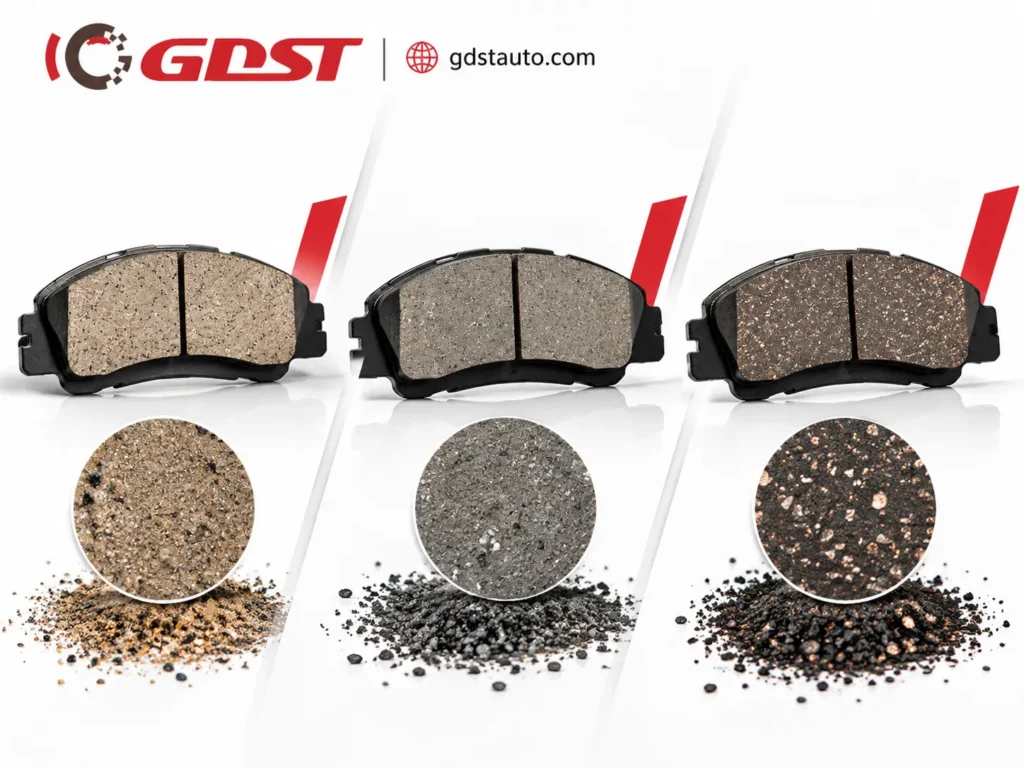
GDST’s published product range includes ceramic, low-metallic, and semi-metallic brake pads. Each formulation represents a different material system, and the appropriate selection depends on the vehicle application and the technical requirements of the project.
Brake friction material research shows that ingredient selection and material structure influence friction, wear, and other tribological characteristics. These effects should be evaluated under relevant operating and test conditions rather than inferred from the material category alone [1][2].
|
Material category |
Reference formulation information in GDST’s technical handbook |
Selection considerations |
|
Semi-metallic |
The handbook describes steel fiber and iron powder content above 20%, with visible metallic particles noted as a typical appearance feature. |
An option to evaluate for aftermarket applications where the required braking, wear, and cost characteristics can be validated. |
|
Low-metallic |
The handbook lists steel fiber content of 5%–20% and a density range of 2.0–2.5 g/cm³. |
A formulation option to assess against the required friction response, comfort, wear, and application requirements. |
|
Ceramic |
The handbook describes a formulation without steel fibers, lists a density range of 1.8–2.3 g/cm³, and specifies soft-metal content below 3%. |
An option to evaluate when noise, dust, and daily-driving comfort are important design considerations. |
Technical note: These figures reproduce the reference information in GDST’s technical handbook [GDST-T1]. They are not universal industry definitions or specifications for every model. The actual composition, density, and applicable performance requirements must be confirmed against the approved formulation and model-specific technical data sheet.
Noise, dust generation, friction consistency, and wear are influenced by material composition and operating conditions. Research on friction materials demonstrates that these characteristics can vary significantly between formulations [1][2]. Accordingly, specific performance claims should be supported by relevant test results.
For wholesale and private-label projects, GDST can discuss formulation requirements based on the intended vehicle applications, target market, and agreed technical specifications.
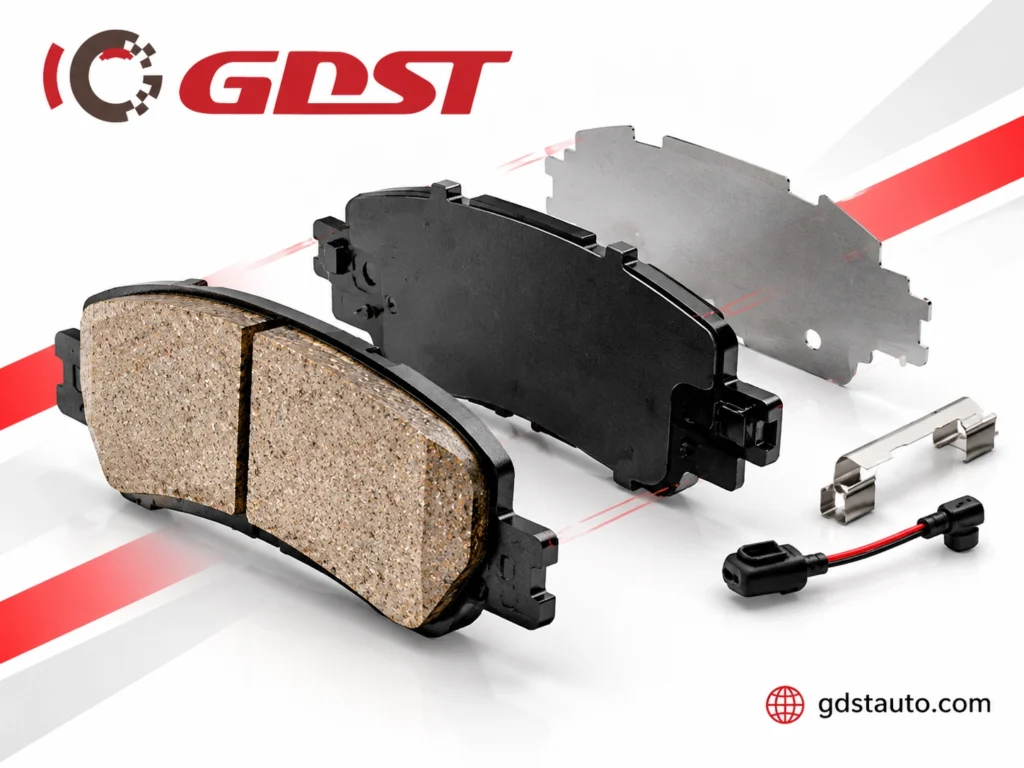
Brake pad assemblies combine friction material, a structural backing plate, and application-specific components. GDST’s technical handbook identifies the following construction elements and configuration options [GDST-T1].
|
Component |
Function or reference specification |
What buyers should confirm |
|
Backing plate |
Structural base supporting the friction material; the handbook lists Q235/Q235B steel as a reference material. |
Material grade, thickness, hardness, dimensions, and mounting geometry. |
|
Friction body |
Friction material bonded to the backing plate; the handbook describes a nominal thickness of approximately 15 mm for its reference description. |
Actual friction material thickness, total pad thickness, formulation, and model drawing. |
|
Anti-noise shim |
A layer attached to the back of the backing plate to help manage vibration and noise. |
Required shim design and material for the application. |
|
Sensor line or wear indicator |
Provides wear-warning functionality on applicable designs. |
Sensor type, connection, position, and vehicle compatibility. |
|
Sensor clip |
Metal wear-indicator component on applicable designs. |
Required design, mounting position, and compatibility. |
|
Circlips and guide hardware |
Components used to secure or guide relevant brake assembly parts. |
Required clip design, dimensions, and included accessories. |
|
Rivets, pins, screws, and wire |
Hardware used where specified to secure components or support installation. |
Required fastening method and accessory scope. |
The handbook lists a reference backing plate thickness of 5.0–5.5 mm and hardness of 120–180 HB. These values must be checked against the drawing and approved specification of the selected model before being treated as binding requirements.
The handbook also lists stainless-steel and linen-finish shim options, with other materials available for discussion according to project requirements.
Brake noise is influenced by the dynamic behavior of the brake assembly, including friction material properties and structural characteristics. Research has examined the effects of brake pad structure and friction lining material on system stability and noise [6][7]. This supports the need to evaluate the complete application rather than assume that one component or material will eliminate all brake noise.
Not every brake pad model uses every component. Final assembly details and included accessories must be confirmed against the applicable vehicle and product specification.
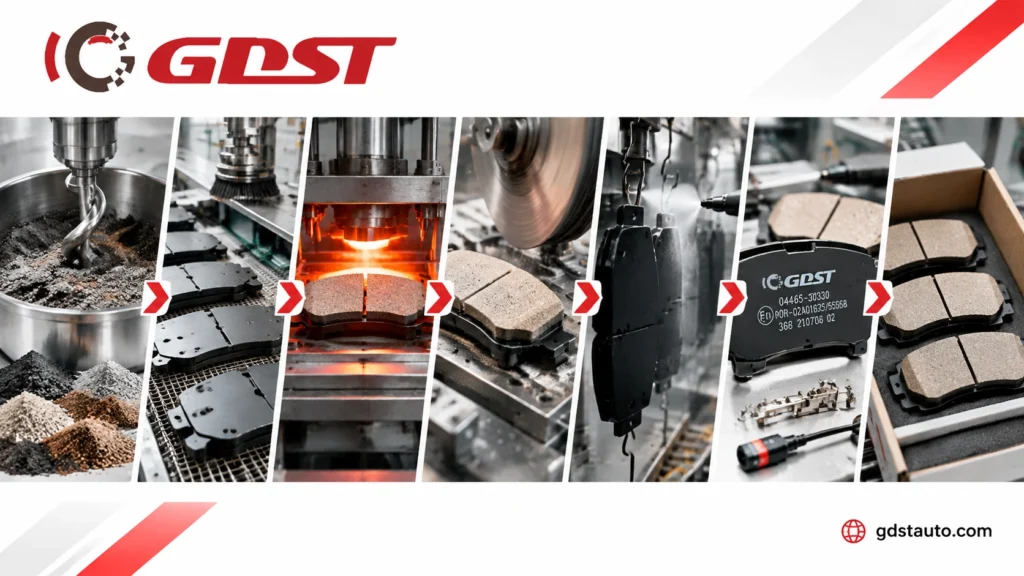
GDST’s technical and manufacturing handbook describes a seven-stage production flow [GDST-T1].
Manufacturing research on brake friction materials identifies raw material mixing, molding pressure, processing time, temperature, and heat treatment as parameters that can influence material structure and performance [5]. The actual process conditions should therefore be controlled against the applicable formulation and production specification.
Steel fibers, mineral fibers, graphite, wear-related additives, resins, and other specified ingredients are mixed according to the formulation requirements.
The composition and distribution of ingredients can influence the friction material’s mechanical and tribological characteristics [1][2].
The backing plate is cleaned, prepared by shot blasting where specified, and coated with bonding adhesive. Surface condition and adhesive application are important parts of the bonding process.
The prepared friction material is formed under pressure and undergoes the specified heat-treatment process.
GDST’s handbook describes a reference heat-treatment duration of more than six hours. Actual temperatures, duration, and process settings must be confirmed against the approved manufacturing specification for the relevant formulation.
Grinding removes unwanted edges and surface irregularities. Slots and chamfers are machined according to the product design, with dimensional accuracy and surface condition controlled against the applicable specification.
Brake pad geometry and structure can influence vibration and noise behavior, so these features should be controlled according to the approved design [7].
The backing plate receives the specified protective coating. Coating coverage, uniformity, and curing conditions should be controlled according to the manufacturing process.
Product identification is applied to the specified surfaces. Depending on the design, shims, wear indicators, clips, pins, and other accessories are assembled using the required fastening method.
Products are inspected against the applicable requirements before packaging. Packaging specifications, labeling, and shipping protection can be discussed for standard and private-label orders.
This process overview reflects the workflow described in GDST’s technical handbook. The actual control parameters and inspection records are model- and process-specific.
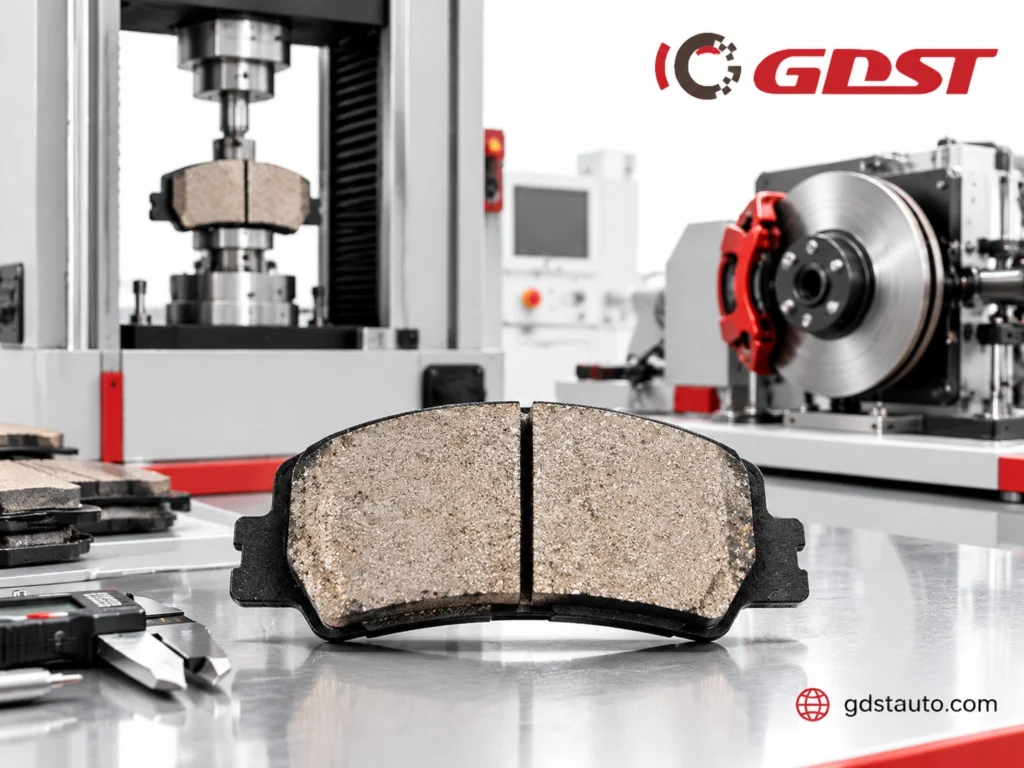
For brake pad sourcing, quality evaluation should be based on the relevant product specification, appropriate test methods, and documented results.
Brake friction material research emphasizes the interaction between formulation, manufacturing conditions, friction behavior, and wear [1][2][5]. Different test methods address different characteristics, and no single test result establishes the complete performance of a brake pad in every vehicle application.
GDST’s technical handbook identifies the following testing equipment and inspection capabilities [GDST-T1].
|
Test or inspection |
Purpose |
|
Shear strength testing |
Evaluates the bonding strength between the backing plate and friction material under the applicable test conditions. |
|
Friction and speed testing |
Evaluates friction behavior under specified speed, temperature, and pressure conditions. |
|
Hardness testing |
Checks friction material hardness against the applicable product specification. |
|
Compression testing |
Evaluates compression behavior under specified loading conditions. A GDST D1035 sample test record is available for technical review. |
|
NVH, wear, and friction evaluation |
Additional test categories are listed on GDST’s existing product page. Specific methods and model-level records should be confirmed for each project. |
The applicable test plan depends on the product model and customer requirements. Available test reports, acceptance criteria, and certification documents should be confirmed before production approval.
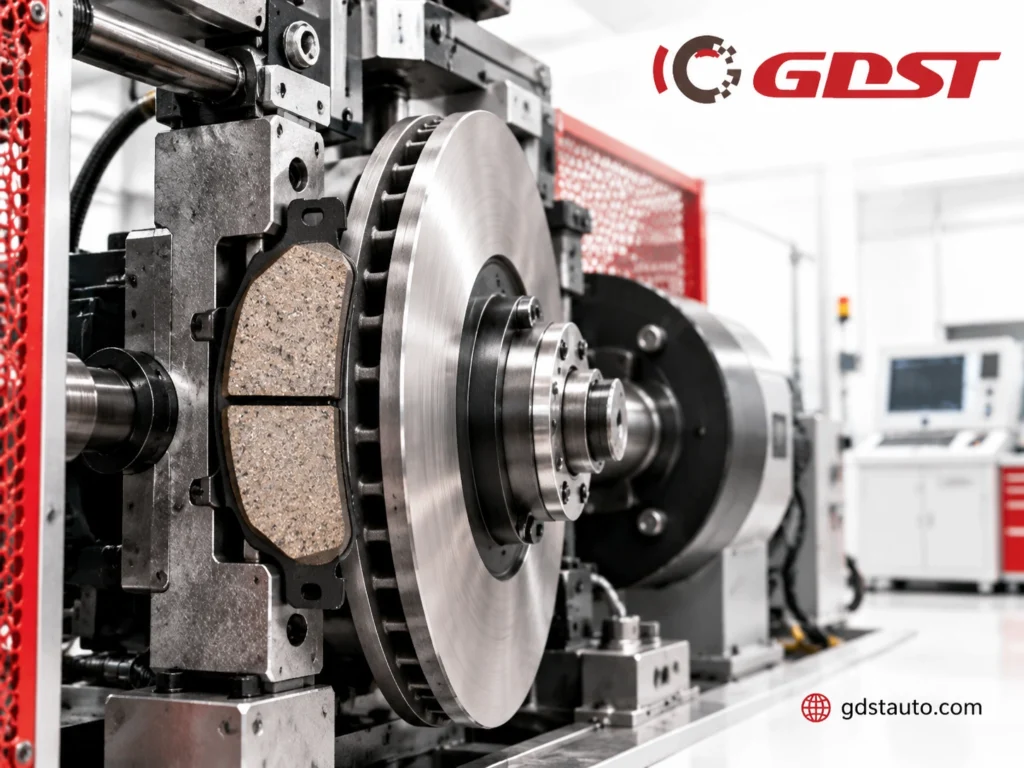
GDST has a recorded friction performance report for friction material M9102-6. The report identifies SAE J2522 testing and records an AUDI Q5 right-front disc brake configuration, with a test date of April 26, 2021 [GDST-R1].
Friction material research shows that the friction coefficient can vary with temperature, formulation, and braking conditions. Fade and recovery behavior also depends on the particular material system and test procedure [1][3][4].
The following values are transcribed from GDST’s supplied report.
|
Reported parameter |
Recorded value |
|
Friction material |
M9102-6 |
|
Test procedure listed in the report |
SAE J2522 |
|
Test date |
April 26, 2021 |
|
Test configuration recorded |
AUDI Q5, right-front disc brake |
|
Nominal friction coefficient, μnom |
0.392 |
|
Minimum friction coefficient, μmin |
0.287 |
|
Fade 1 friction coefficient, μF1 |
0.309 |
|
Fade 2 friction coefficient, μF2 |
0.369 |
|
Temperature-stage friction coefficient, μT500 |
0.287 |
|
Speed/pressure value, μv120 |
0.387 |
|
Speed/pressure value, μvmax |
0.343 |
|
Inner pad wear |
0.106 mm; reported mass loss 8.0 g |
|
Outer pad wear |
0.153 mm; reported mass loss 8.0 g |
These are selected values from one documented test configuration. They are not universal performance values for all GDST brake pad models, and the report should not be interpreted as a product certification.
Before publishing this data, GDST should confirm that the reported formulation remains applicable to the intended product, that the report may be used externally, and that the transcribed values match the original record.
For current projects, GDST can review whether the documented formulation and test configuration are relevant to the requested application. Updated testing and agreed acceptance criteria may be required where formulations, vehicle applications, or customer requirements differ.
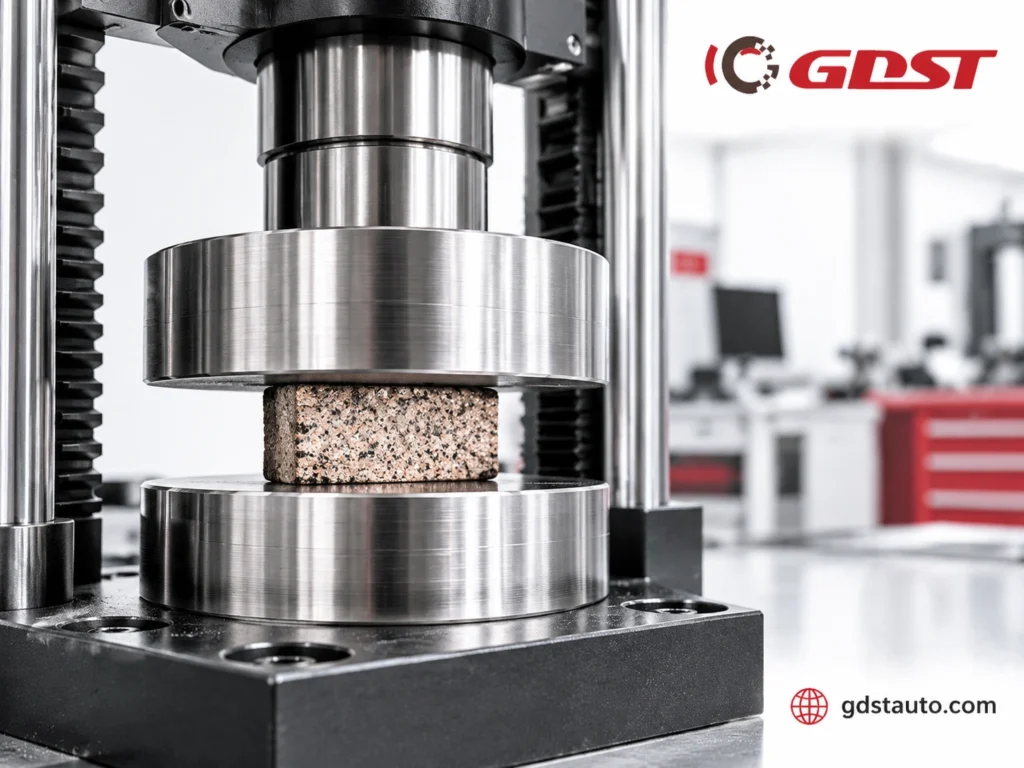
GDST also has a room-temperature compression test record for model D1035. The report identifies specimen M9201 and batch 26.10.18, tested on October 18, 2026 [GDST-R2].
Brake pad compressibility is an engineering parameter influenced by the friction material and test conditions. Research has also shown that measured deformation depends on factors such as applied load, pad geometry, backing plate thickness, and other elements of the measurement configuration [8][9].
|
Parameter |
Recorded value |
|
Model |
D1035 |
|
Specimen |
M9201 |
|
Batch |
26.10.18 |
|
Test temperature |
25°C |
|
Preload |
0.5 MPa |
|
Specimen area |
43.00 cm² |
|
Specimen thickness |
18.6 mm |
|
Loading rate |
4 MPa/s |
|
Standard reference as recorded in the report |
GB/T 22311-2008 / ISO 6310:2001 Procedure A (GB 5763-2018) |
The listed standards are reproduced from the supplied report. Their applicability and the relevant edition should be confirmed by GDST’s quality team before the report is presented as evidence of compliance.
|
Pressure |
Specimen 1 |
Specimen 2 |
Specimen 3 |
|
1 MPa |
15 μm |
11 μm |
10 μm |
|
2 MPa |
38 μm |
28 μm |
28 μm |
|
4 MPa |
76 μm |
60 μm |
59 μm |
|
8 MPa |
163 μm |
121 μm |
119 μm |
|
Reported compression ratio |
0.88% |
0.65% |
0.63% |
The values above are transcribed from the supplied report’s measurement table. The original table, units, and compression-ratio calculation should be checked before publication.
This report demonstrates a documented compression test for a specific specimen and set of conditions. It does not establish a universal compression range or prove compliance with an unspecified acceptance limit for every brake pad model.
For engineering projects, compression requirements and acceptance criteria should be agreed for the applicable product and measurement method.
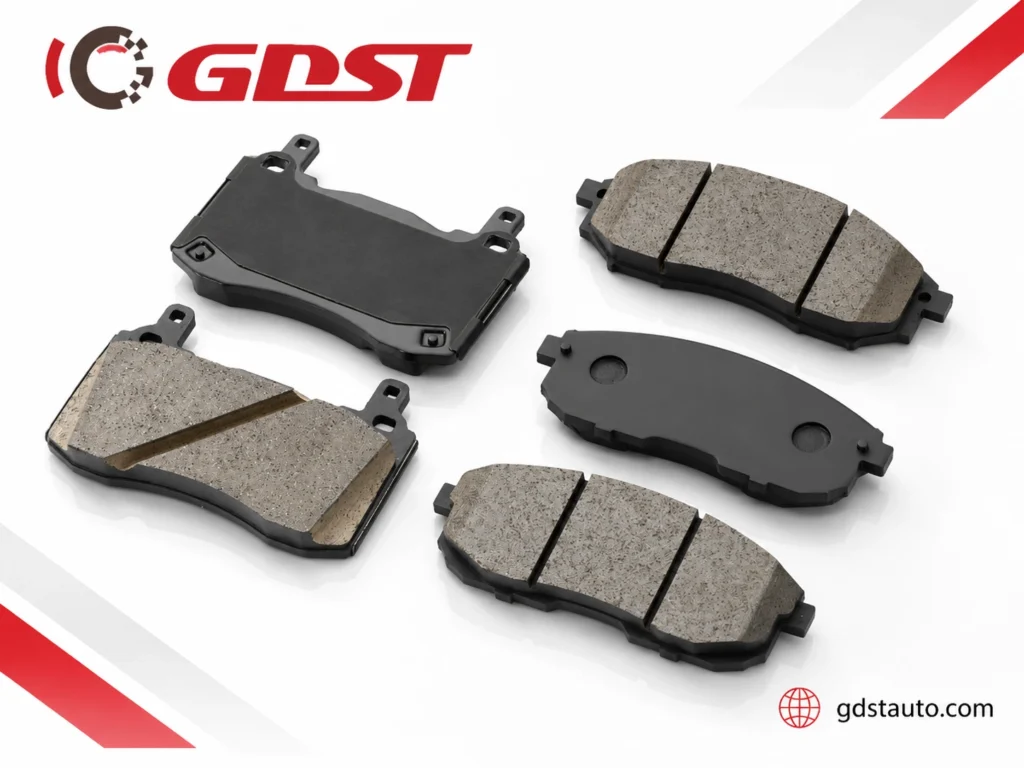
GDST’s existing product page lists a range of brake pad models and reference numbers. These identifiers can be used as starting points for catalog inquiries, but they should not be treated as a complete vehicle-fitment database.
|
Catalog reference displayed |
Additional reference displayed |
Car Model |
|
D815 |
41060-2Y090 41060-40090 41060-40U92 41060-5Y790 41060-73L91 41060-89E90 41060-8J090 41060-AL590 41060-AM890 41060-A0091 41060-ZB590 41060-ZG225 |
INFINITI G20 1999-2002 INFINITI G35 2003-2004 INFINITI I30 2000 INFINITI I35 2002-2004 NISSAN 350Z 2003-2005 NISSAN Altima 1993-1997 NISSAN Cube 2009-2014 NISSAN Juke 2011-2014 NISSAN Maxima 1991-1994 NISSAN Sentra 2.5L 2002-2006 NISSAN Versa 1.8 Liter 2009-2012 RENAULT Safrane (Latin America) 2011-2012 SUZUKI SX4 2007-2008 |
|
D768 |
6QD 698 151 |
VOLKSWAGEN Beetle 1999 |
|
D858 |
05019805AA |
CHRYSLER Town & Country 2001-2007 |
|
D1095 |
44060-20J85 |
Nissan Patrol Y60 |
|
D1212 |
19184917 |
LEXUS ES300h 2013-2014 |
|
D1291 |
0004203500 |
MERCEDES-BENZ C63 AMG 2008-2014 |
|
D1473 |
34216788284 |
BMW 528i 2011-2015 |
The table is a preliminary catalog reference, not a complete fitment list. Current model availability, reference type, and all cross-references must be verified before being used in a purchase order.
For an accurate quotation, provide the OE or aftermarket reference number, vehicle details where applicable, required quantity, material preference, and accessory requirements.
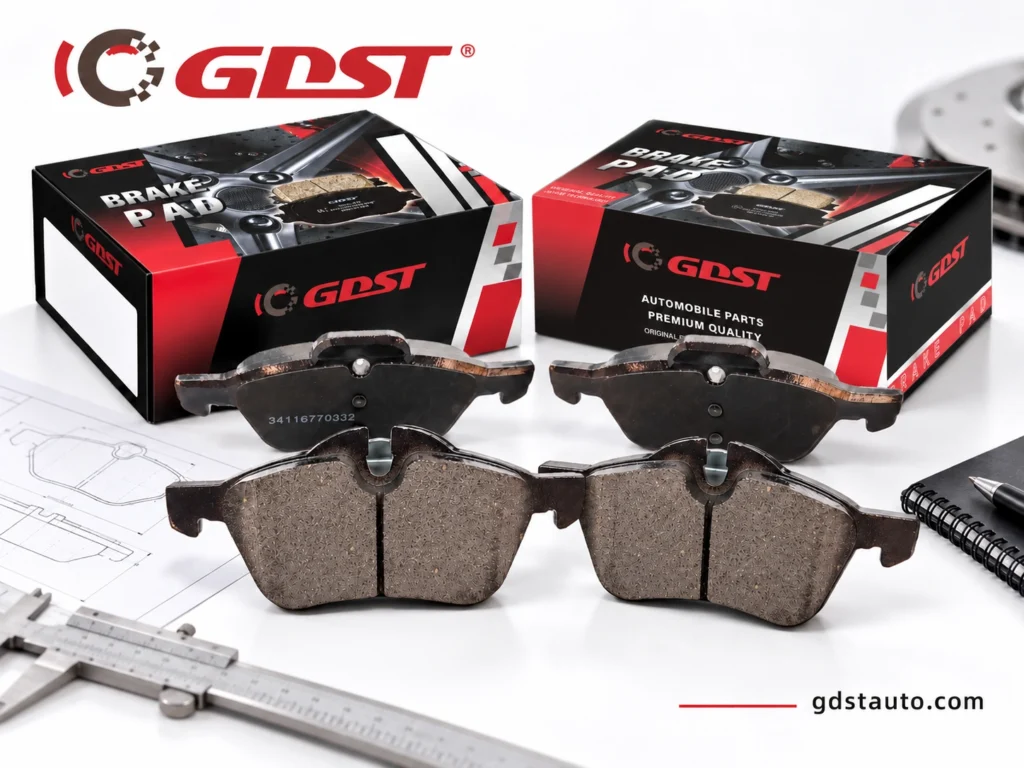
GDST supports discussions for aftermarket product sourcing and private-label brake pad projects.
Depending on the requirements, project discussions can include:
For private-label orders, provide your brand information and relevant trademark documentation. Packaging artwork, minimum quantities, production lead time, and technical requirements should be confirmed before the order is finalized.
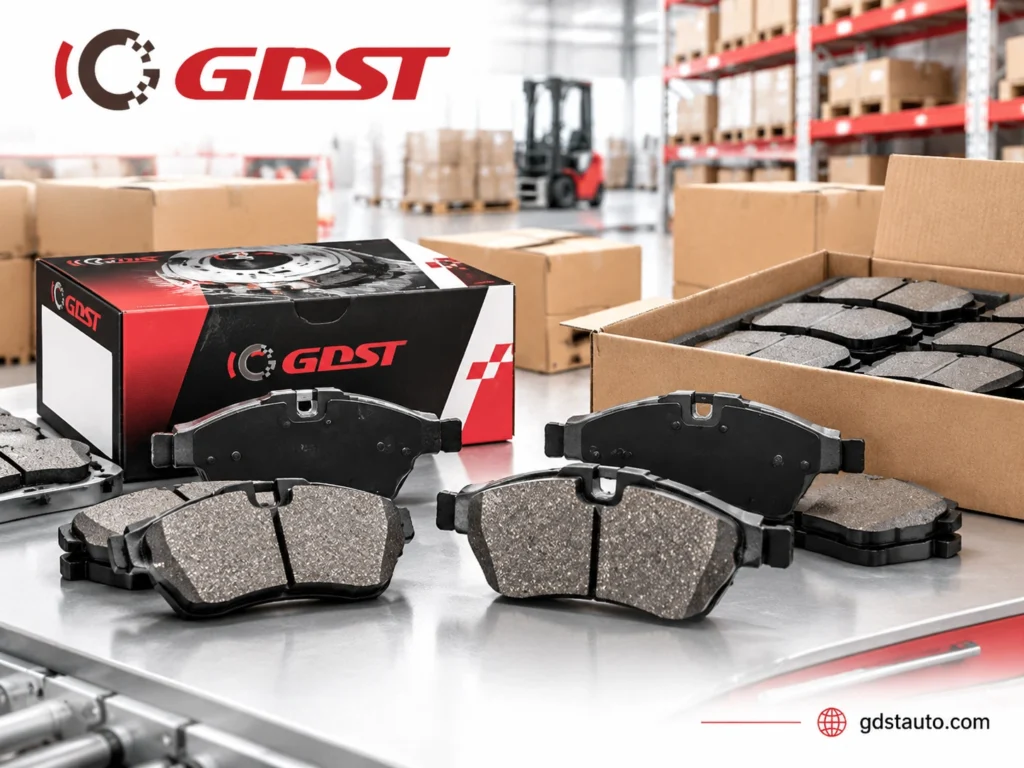
GDST’s existing product page publishes the following general commercial terms. Please reconfirm the applicable terms with the sales team before issuing a purchase order.
|
Item |
Existing published information |
Confirmation required |
|
Standard MOQ |
100 sets per model |
Confirm for the selected models. |
|
Trial order |
Orders from 50 sets per model may be supported for new customers. |
Subject to model availability and sales confirmation. |
|
Typical lead time |
Approximately 45 days after order confirmation. |
Confirm against the order scope and production schedule. |
|
Warranty |
The existing page states 12 months or 30,000 km. |
Confirm the applicable warranty conditions in writing. |
|
Private-label packaging |
Custom packaging is supported. |
Confirm artwork, authorization, MOQ, and timing. |
|
Technical documentation |
Test records and technical information can be discussed. |
Confirm availability and applicability for the selected models. |
These terms are starting points for quotation, not a substitute for the final quotation or purchase agreement.
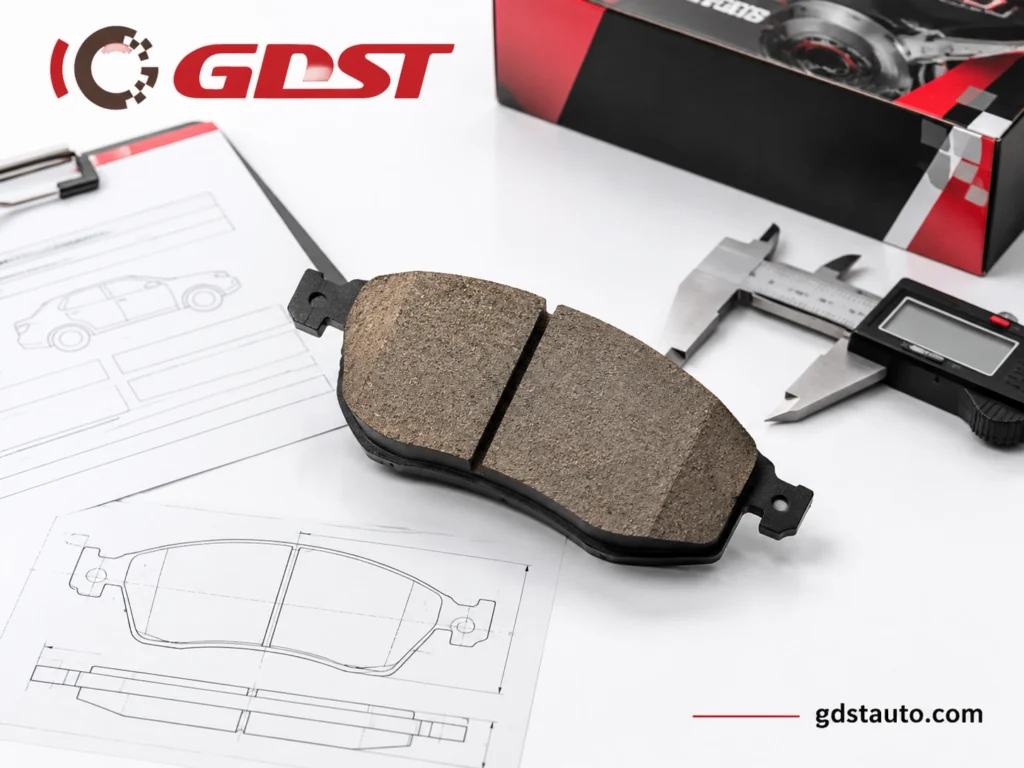
To help reduce fitment errors and speed up quotation, please provide as much of the following information as possible.
For larger sourcing projects, a spreadsheet containing the complete model list is preferable to individual inquiries. If reference numbers are insufficient, drawings, photographs, or samples may help clarify the requirements.
Our team can review the available information, identify missing fitment details, and prepare a quotation based on the confirmed requirements.
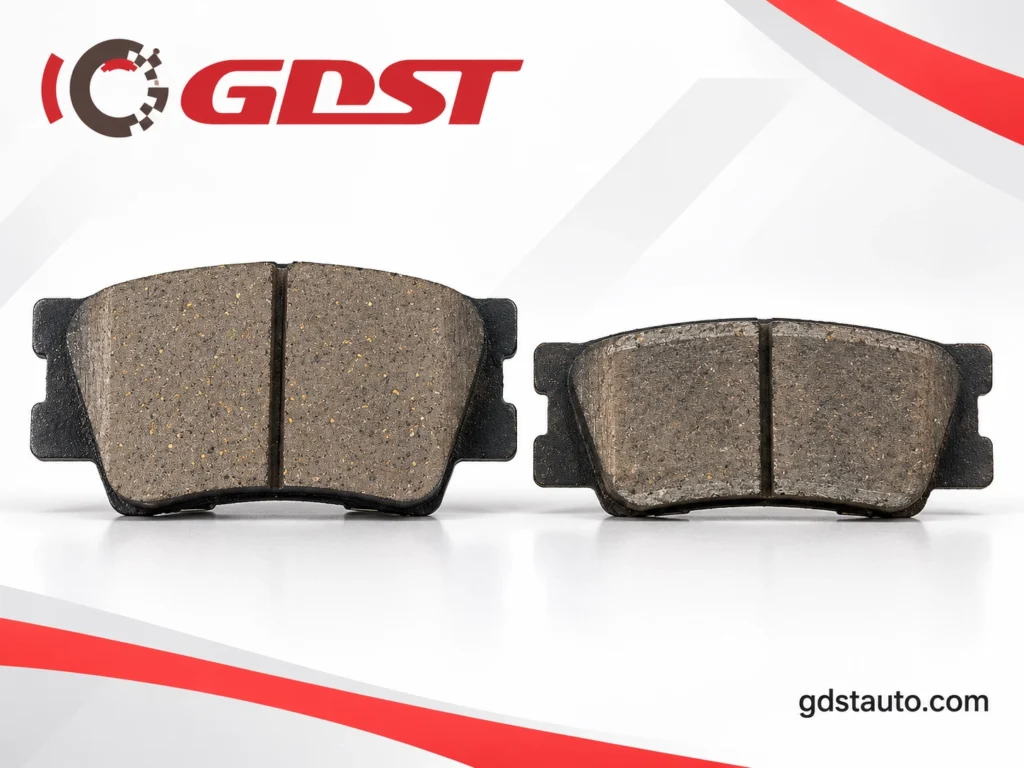
Brake pads gradually wear as their friction material contacts the brake rotor during braking. The rate of wear varies with vehicle design, formulation, driving habits, road conditions, vehicle load, and brake-system condition.
Research on brake friction materials describes how friction conditions, temperature, and material properties influence friction and wear behavior [1][3]. As a result, there is no single mileage figure that reliably predicts the replacement interval for every brake pad.
Common warning signs that warrant inspection include:
• Persistent squealing or screeching during braking.
• Grinding or scraping noises.
• Reduced braking responsiveness or longer stopping distances.
• Vibration or pulsation when braking.
• A brake-pad warning indicator or another relevant dashboard warning.
• Visible uneven wear or insufficient remaining friction material.
These symptoms do not always identify the brake pads as the only cause. Rotor, caliper, sensor, hydraulic, or other brake-system problems may produce similar signs.
The correct inspection and replacement limits depend on the vehicle manufacturer’s requirements and the applicable brake system. If severe grinding or reduced braking performance occurs, the vehicle should be inspected promptly by a qualified professional.
For parts distributors and workshops, identifying the exact replacement model is equally important. A brake pad should be selected using verified application data rather than appearance alone.
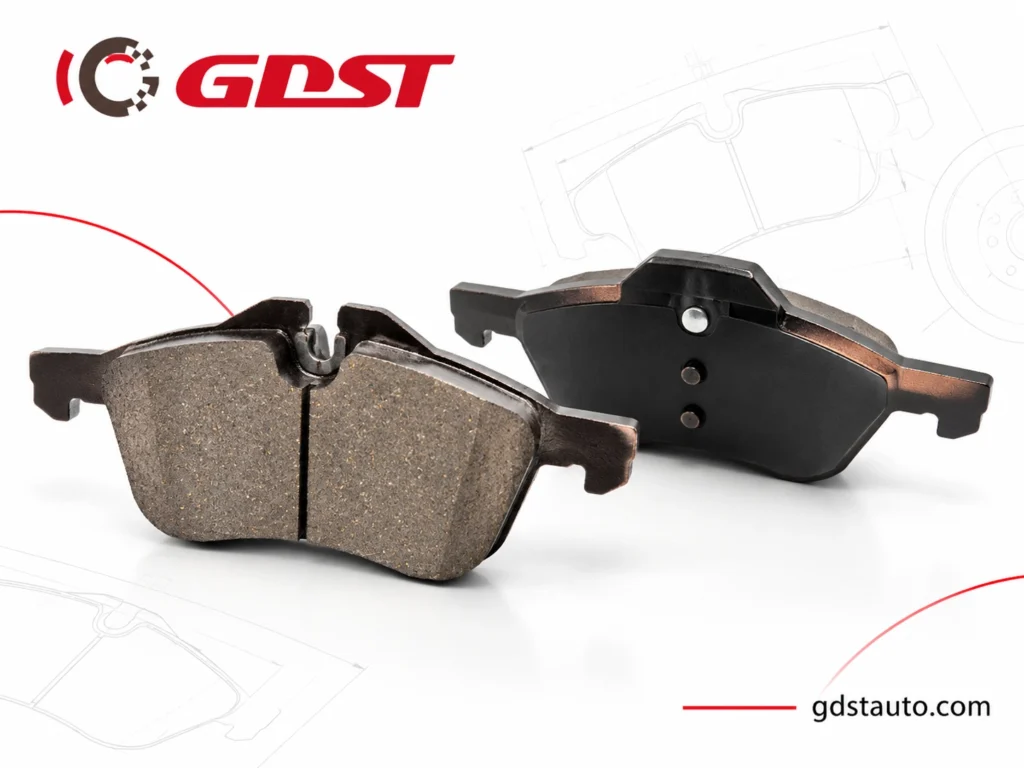
GDST’s published product range includes ceramic, low-metallic, and semi-metallic brake pads. The applicable formulation depends on the product model and agreed technical requirements.
Start with the applicable OE or aftermarket reference number. Where necessary, also provide the vehicle make, model, year, engine or variant, axle position, and relevant drawings or photographs. GDST can review the available information and confirm the applicable fitment data.
A friction performance report is available for the documented M9102-6 test configuration. Its applicability to a particular product and project should be confirmed. Additional or updated testing may be required for other formulations and vehicle applications.
A room-temperature compression test report is available for the D1035 specimen identified in the supplied record. The results apply to the stated specimen and test conditions. Model-specific acceptance requirements should be confirmed before the data are used for product qualification.
GDST’s technical handbook identifies shear strength testing as part of its testing capabilities. The applicable test method, acceptance criteria, and report availability should be confirmed for the selected model.
Yes. Configuration requirements can be reviewed against the intended vehicle application. Not every model uses the same shim, sensor, clip, or installation hardware, so the final configuration must be confirmed before ordering.
New-model development can be discussed based on samples, drawings, reference numbers, and technical requirements. Feasibility, tooling, testing, MOQ, and lead time must be agreed before proceeding.
Private-label projects and customized packaging can be discussed. Provide the relevant brand documentation, packaging requirements, model list, and estimated quantities so that the project requirements can be reviewed.
GDST’s existing product page lists a standard MOQ of 100 sets per model and indicates that trial orders from 50 sets per model may be supported for new customers. Please confirm the current MOQ for your selected models.
The existing page lists a typical lead time of approximately 45 days after order confirmation. Actual delivery timing depends on model availability, order scope, packaging, and production scheduling.
Send your part-number list, required quantities, target market, material preference, configuration requirements, and packaging details. Vehicle application data and technical documentation are helpful when fitment needs to be confirmed.
Whether you are sourcing replacement car brake pads, expanding an existing aftermarket catalog, or developing private-label products, GDST can help you review the required models and prepare a sourcing proposal.
Send us your part numbers, vehicle applications, technical requirements, and quantities. Our team will review the available product information and confirm model availability, documentation, MOQ, lead time, and quotation details.
The following publications provide technical background for the general scientific statements cited in this page. Their findings should be interpreted within the materials, test conditions, and applications studied by the respective authors.
[1] Xiao, X., Yin, Y., Bao, J., Lu, L., and Feng, X. (2016). “Review on the friction and wear of brake materials.” Advances in Mechanical Engineering, 8(5).
https://doi.org/10.1177/1687814016647300
Relevant to: Brake friction mechanisms, material classifications, friction films, wear, and the influence of temperature, pressure, and velocity.
[2] Sathyamoorthy, G., Vijay, R., and Singaravelu, D. L. (2022). “Brake friction composite materials: A review on classifications and influences of friction materials in braking performance with characterizations.” Proceedings of the Institution of Mechanical Engineers, Part J: Journal of Engineering Tribology, 236(8), 1674–1706.
https://doi.org/10.1177/13506501211064082
Relevant to: Friction material ingredients, formulation categories, processing methods, and material-performance relationships.
[3] Bellini, C., Di Cocco, V., Iacoviello, D., and Iacoviello, F. (2024). “Temperature Influence on Brake Pad Friction Coefficient Modelisation.” Materials, 17(1), 189.
https://doi.org/10.3390/ma17010189
Relevant to: Temperature-dependent friction coefficient behavior and the importance of evaluating friction under defined thermal conditions.
[4] Satapathy, B. K., and Bijwe, J. (2005). “Fade and Recovery Behavior of Non-Asbestos Organic (NAO) Composite Friction Materials based on Combinations of Rock Fibers and Organic Fibers.” Journal of Reinforced Plastics and Composites, 24(6), 563–577.
https://doi.org/10.1177/0731684405043561
Relevant to: Fade and recovery behavior and the influence of fiber combinations on friction material performance.
[5] Hentati, N., Makni, F., and Elleuch, R. (2023). “Braking performance of friction materials: A review of manufacturing process impact and future trends.” Tribology – Materials, Surfaces & Interfaces, 17(2).
https://doi.org/10.1080/17515831.2023.2216092
Relevant to: The influence of mixing, molding, processing time, temperature, and heat treatment on friction material characteristics.
[6] Lazzari, A., Tonazzi, D., and Massi, F. (2019). “Squeal propensity characterization of brake lining materials through friction noise measurements.” Mechanical Systems and Signal Processing, 128, 216–228.
https://doi.org/10.1016/j.ymssp.2019.03.034
Relevant to: Friction-induced noise measurement and the relationship between material noise behavior and brake-system squeal propensity.
[7] Pan, G., and Chen, L. (2018). “Impact Analysis of Brake Pad Backplate Structure and Friction Lining Material on Disc-Brake Noise.” Advances in Materials Science and Engineering, 2018, Article 7093978.
https://doi.org/10.1155/2018/7093978
Relevant to: Brake pad structural design, friction lining, system stability, and noise behavior.
[8] Steege, R., and Marx, F. (2008). “A New Approach to Material Compressibility of Brake Pads.” SAE Technical Paper 2008-01-2572. SAE International.
https://doi.org/10.4271/2008-01-2572
Relevant to: Brake pad compressibility measurement, the influence of geometry and loading conditions, and the interpretation of compression data.
[9] Sanders, P. G., Dalka, T., and Hartsock, D. (2008). “Friction Material Compressibility as a Function of Pressure, Temperature, and Frequency.” SAE Technical Paper 2008-01-2574. SAE International.
https://doi.org/10.4271/2008-01-2574
Relevant to: The dependence of friction material compressibility on preload, temperature, frequency, and time, and its engineering significance for brake-system behavior.
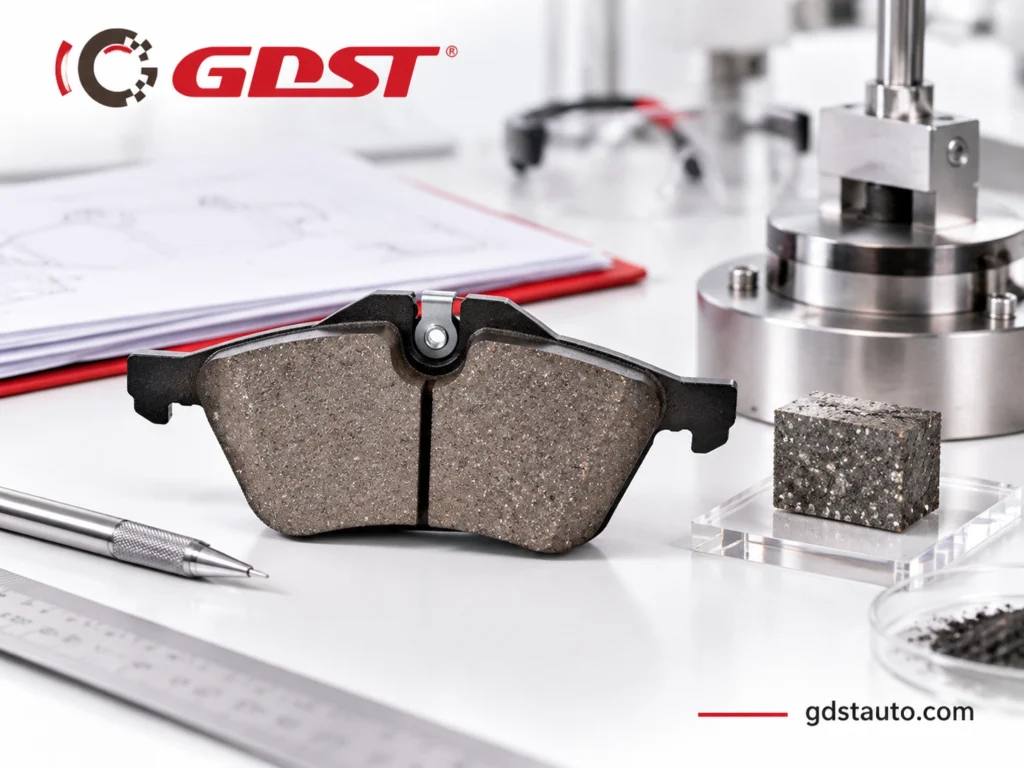
[GDST-T1] GDST Brake Pads — Technical Specifications & Manufacturing Guide. Company-supplied technical and manufacturing handbook.
[GDST-R1] M9102-6 Friction Performance Test Report. Wuhu GDST Auto Parts Co., Ltd. Test date: April 26, 2021. Report identifies SAE J2522 testing.
[GDST-R2] D1035 Room-Temperature Compression Test Report. Wuhu GDST Auto Parts Co., Ltd. Test date: October 18, 2026. Specimen M9201, batch 26.10.18.
The GDST technical documents support the stated company-specific information and recorded test data. The academic references provide scientific context; they do not independently establish the performance or certification status of any GDST product.