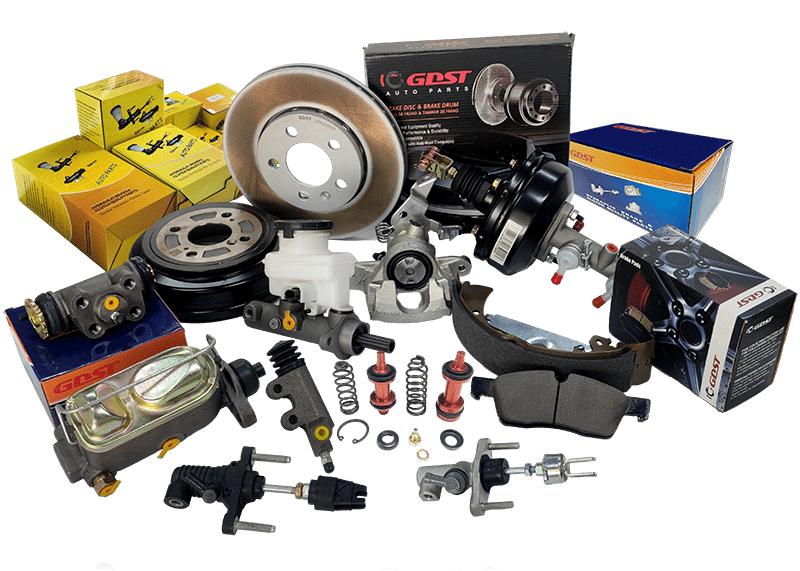
In the brake caliper business, material selection is no longer just an engineering decision—it’s a commercial one.
Many buyers start noticing something interesting:
Two brake calipers that look similar can have very different prices. Some customers specifically ask for aluminum calipers, while others still prefer traditional cast iron. This raises an important question:
Are aluminum brake calipers really better, or is cast iron still the smarter choice?
The truth is, this isn’t about which material is “better.”
It’s about which one fits your market, your customers, and your pricing strategy.
Understanding the Basics: Cast Iron vs Aluminum Brake Calipers
Before comparing performance, it’s important to understand how these two materials behave in real-world applications.
Cast Iron Brake Calipers
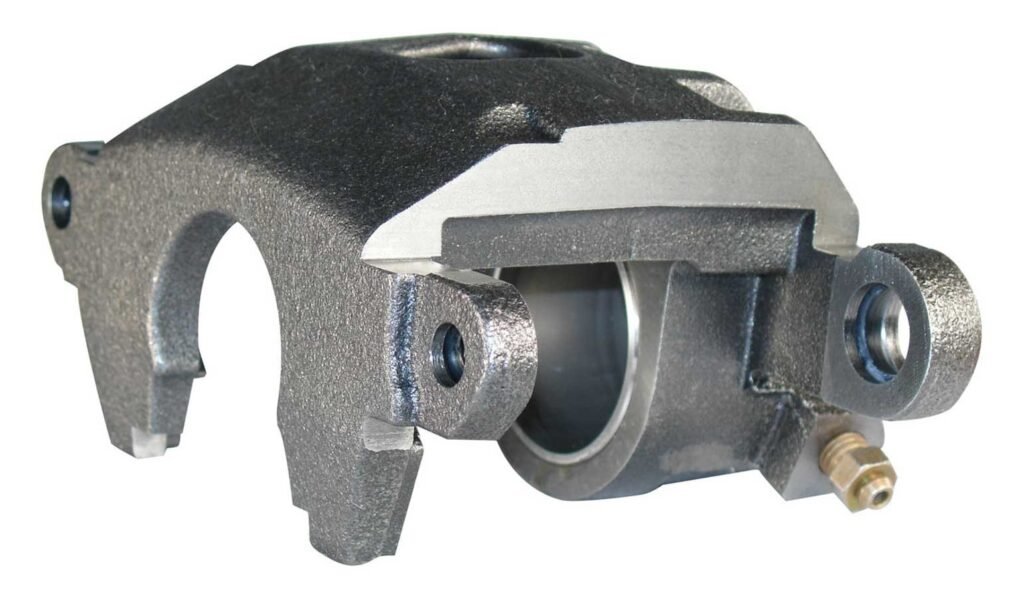
Cast iron has been used in braking systems for decades. It is known for its density, strength, and durability. When you hold a cast iron caliper, the first impression is simple: solid and reliable.
In practice, cast iron calipers are valued for:
- Strong resistance to impact and deformation
- Stable performance under heavy loads
- Lower production cost due to mature casting processes
Because of these characteristics, they are widely used in:
- Commercial vehicles
- Entry-level passenger cars
- Price-sensitive markets
Aluminum Brake Calipers
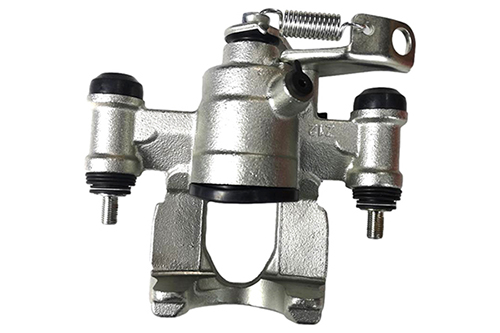
Aluminum brake calipers represent a different direction—focused on weight reduction, heat management, and design flexibility.
Modern aluminum calipers are often manufactured using:
- Forging
- High-pressure casting
- CNC machining
This allows for more complex structures and improved performance.
They are commonly found in:
- Mid-to-high-end passenger vehicles
- Electric vehicles (EVs)
- Performance and aftermarket upgrades
More importantly, aluminum calipers don’t just improve performance—they also enhance product positioning.
Core Comparison: More Than Specs, It’s About Application Logic
A simple specification comparison doesn’t tell the full story. Each material comes with a different “usage logic” depending on how and where the product is used.
Weight: A Small Change with Big Impact
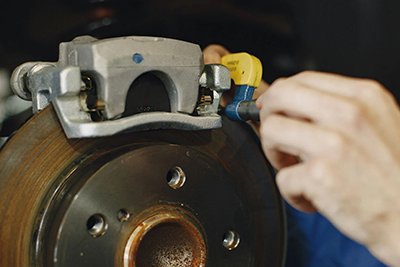
One of the most obvious advantages of aluminum is its lower weight. Compared to cast iron, aluminum brake calipers can reduce weight by 30% to 50%.
This reduction leads to several real-world benefits:
- Improved fuel efficiency or extended EV range
- Better vehicle handling and responsiveness
- Lower shipping costs for bulk buyers
While cast iron provides a sense of stability due to its weight, the industry trend toward lightweight vehicles is clearly favoring aluminum.
Strength and Durability: Built for Different Conditions
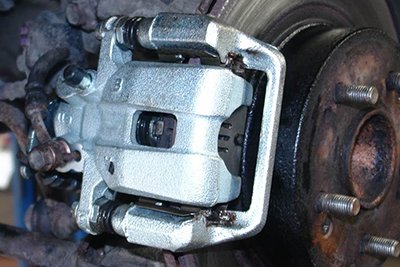
From a material standpoint, cast iron offers excellent compressive strength and impact resistance. This makes it particularly suitable for:
- Heavy-duty applications
- Rough road conditions
- Markets where durability is the top priority
Aluminum, on the other hand, relies more on design optimization. Through structural reinforcement and multi-piston configurations, modern aluminum calipers have significantly improved in durability.
So the real comparison is not “strong vs weak,” but rather:
- Extreme durability → Cast Iron
- Balanced performance → Aluminum
Heat Dissipation: A Key Factor in Brake Performance
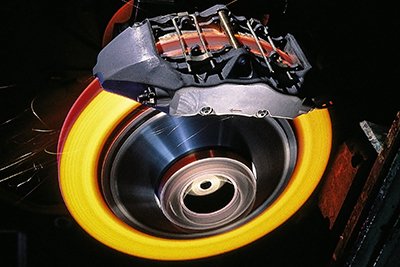
Heat management is critical in braking systems, especially under repeated or high-speed braking conditions.
Aluminum conducts heat much faster than cast iron. This means:
- Heat is dissipated more efficiently
- Brake performance remains more stable
- Reduced risk of brake fade
This is why aluminum calipers are often preferred in:
- Performance vehicles
- Mountain driving conditions
- High-speed applications
Cost Structure: Looking Beyond Unit Price

At first glance, the cost difference seems straightforward:
- Cast iron = lower cost
- Aluminum = higher cost
However, experienced buyers understand that the total cost goes beyond the purchase price.
Aluminum calipers can offer indirect advantages:
- Lower shipping cost due to lighter weight
- Higher perceived value in the market
- Better opportunities for branding and premium pricing
Cast iron remains strong in:
- Low upfront investment
- Fast turnover in price-driven markets
In reality, this becomes a choice between short-term savings and long-term positioning.
Appearance and Market Appeal: An Underrated Advantage
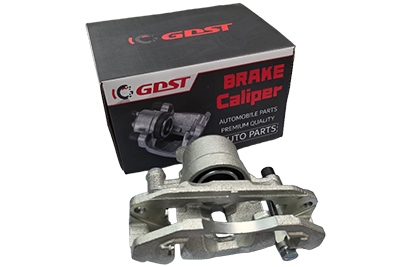
In today’s market, appearance matters more than many expect—especially for distributors building their own brands.
Aluminum brake calipers are easier to customize:
- Colored coatings (red, yellow, etc.)
- Logo branding
- Premium visual design
This directly impacts:
- Customer perception
- Product differentiation
- Selling price
Cast iron calipers, while reliable, are more limited in visual appeal and tend to remain functional rather than market-driven.
Quick Comparison Table
| Factor | Cast Iron Brake Calipers | Aluminum Brake Calipers |
|---|---|---|
| Weight | Heavy | Lightweight (30–50% lighter) |
| Strength | High impact resistance | Depends on design structure |
| Heat Dissipation | Slower | Faster and more efficient |
| Cost | Lower | Higher |
| Appearance | Basic | Premium and customizable |
| Typical Use | Commercial & budget markets | Passenger & high-end markets |
How to Choose: It Depends on Your Market, Not Just the Material
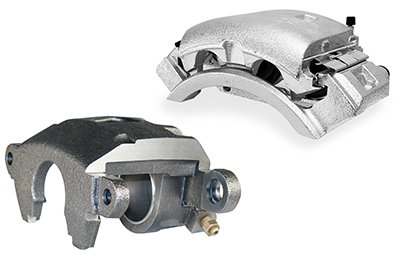
The most important question is not “Which is better?”
It’s “Who are you selling to?”
If your customers:
- Focus heavily on price
- Operate in highly competitive markets
- Value durability over design
Then cast iron brake calipers remain a practical and profitable option.
But if your business is moving toward:
- Passenger vehicle segments
- Brand building
- Higher margins
Then aluminum calipers offer more long-term value.
In other words, you are not choosing a material—you are choosing your market positioning.
Industry Trend: Why Aluminum Is Growing (But Cast Iron Isn’t Going Away)
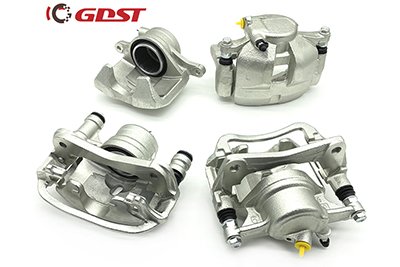
The rise of aluminum brake calipers is driven by several factors:
- Global push for lightweight vehicles
- Growth of electric vehicles
- Increasing demand for better performance and aesthetics
However, cast iron still holds strong in:
- Cost-sensitive regions
- Commercial vehicle applications
- High-durability requirements
The future is not about replacement, but coexistence.
Buying Advice: What Smart Buyers Really Look At
Experienced buyers don’t make decisions based on material alone.
They evaluate:
- Manufacturing capability of the supplier
- Product consistency across batches
- Quality control systems
- Surface treatment and finishing
It’s also important to understand:
- Not all aluminum calipers are high-quality
- Not all cast iron calipers are low-end
The supplier behind the product often matters more than the material itself.
Recommended Topic You Want To Know
- Brake Caliper Manufacturers in China 2025
- How to Replace Brake Calipers?
- What Do Brake Calipers Do?
- How Much Are Brake Calipers?
- How Long Do Brake Calipers Last?
- Signs of Bad Brake Calipers
- Floating vs Fixed Brake Calipers
Conclusion
Both cast iron and aluminum brake calipers have their place in the market.
The key is to align your choice with:
- Your target customers
- Your pricing strategy
- Your long-term business goals
The best brake caliper is not the most advanced one, but the one that fits your market best.