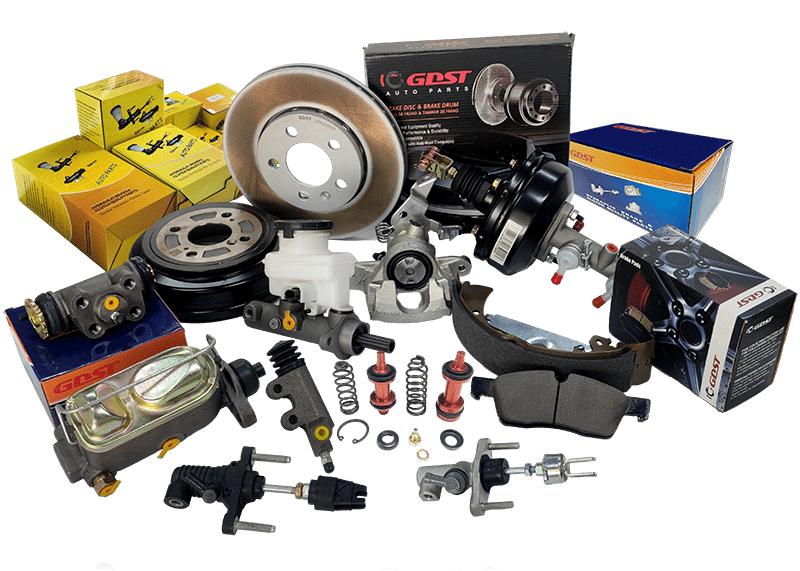
If you’ve been in the auto parts business long enough, you’ve probably seen this situation before.
A customer installs a new brake caliper. A few days later, the complaint comes back:
“There’s a strange noise when braking.”
At first, it sounds like a simple issue. But once you start digging, things get complicated.
Is it the caliper? The brake pads? The installation? Or something else entirely?
And more importantly—who should take responsibility?
For distributors and buyers, brake noise is not just a technical issue.
It directly affects customer trust, return rates, and ultimately, your margins.
This guide is not just about explaining brake caliper noise.
It’s about helping you identify the real cause quickly and respond with confidence.
Brake caliper noise is usually caused by installation issues, brake pad mismatch, or rotor wear—not the caliper itself. Proper diagnosis can quickly identify the root cause and avoid unnecessary replacements.
What Is Brake Caliper Noise?
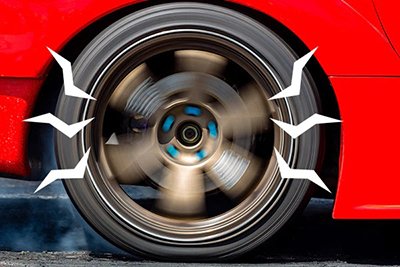
Brake caliper noise refers to any abnormal sound generated from the braking system, often perceived as coming from the caliper area.
But here’s a key point many people overlook:
Not all brake noise is caused by the brake caliper itself.
In fact, a large percentage of noise complaints are related to other components or external factors.
Common Types of Brake Noise
| Noise Type | Typical Description | Possible Cause |
|---|---|---|
| Squeaking | High-pitched sound | Brake pad material / vibration |
| Grinding | Harsh metal-to-metal noise | Worn brake pads or rotor damage |
| Clicking | Intermittent “click” sound | Loose components or installation issue |
| Vibration Noise | Low-frequency shaking or hum | Uneven wear or system imbalance |
Understanding the type of noise is often the first step toward accurate diagnosis.
Main Causes of Brake Caliper Noise
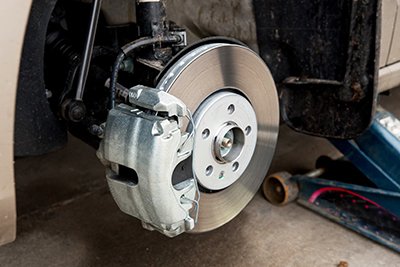
Instead of listing random reasons, let’s break this down in a way that actually helps you handle real-world complaints.
1. Product-Related Issues (Supplier Side)
Yes, sometimes the caliper itself can be the problem.
Common issues include:
- Poor machining tolerance
- Piston not retracting smoothly
- Low-quality seals or rubber components
- Bracket or hardware misalignment
These problems can lead to constant contact between components, creating noise.
However, in real cases, this is not the most common cause—even though it’s often the first thing customers suspect.
2. Installation Errors (Very Common)
From field experience, installation issues are one of the leading causes of brake noise.
Typical problems:
- Lack of proper lubrication on contact points
- Incorrect torque on bolts
- Misalignment during installation
- Missing or improperly installed hardware
Even a high-quality caliper can produce noise if installed incorrectly.
3. Brake Pad & Rotor Mismatch
This is one of the most underestimated factors.
Different materials interact differently:
- Low-quality or hard brake pads tend to produce more noise
- Worn or uneven rotors can create vibration and sound
- Incompatible combinations increase friction instability
Key insight:
Many “caliper noise” complaints are actually system-level issues, not component defects.
4. Environmental & Usage Factors
Sometimes, the product is fine—but the environment isn’t.
Examples:
- Moisture causing temporary rust on rotors
- Long periods of parking leading to surface buildup
- High temperatures from heavy braking
- Dust or debris affecting contact surfaces
These factors can create noise that disappears after normal use.
How to Diagnose Brake Noise Quickly (Practical Steps)
When a complaint comes in, speed and accuracy matter.
Here’s a simple process you can follow:
Step1: Identify the Noise Type
Ask the customer:
- Is it high-pitched or grinding?
- Does it happen constantly or intermittently?
Step2: Check Brake Pads and Rotors
- Are the pads worn evenly?
- Is there visible damage on the rotor?
Step3: Inspect Caliper Movement
- Does the piston move smoothly?
- Is there any sticking or dragging?
Step4: Review Installation
- Was lubrication applied?
- Were torque specs followed?
In many cases, this simple process can already reveal the root cause.
In many cases, brake caliper noise is not caused by the caliper itself, but by installation or component mismatch.
This is a key message worth communicating to your customers as well.
Fixes: What You Should Actually Do
Once the cause is identified, the solution becomes much clearer.
| Issue Type | Recommended Fix | Warranty Consideration |
|---|---|---|
| Caliper defect | Replace or repair | Usually covered |
| Installation issue | Reinstall correctly | Not typically covered |
| Pad/rotor mismatch | Replace with compatible components | Case-dependent |
| Environmental factor | Normal usage / cleaning | Not applicable |
For distributors, the important part is not just fixing the issue, but handling the claim correctly.
Not every noise complaint should result in a replacement.
How to Reduce Future Complaints?
If you want to reduce noise-related claims, prevention is more effective than reaction.
Here are a few practical strategies:
- Work with suppliers who maintain consistent quality control
- Avoid focusing only on the lowest price
- Provide basic installation guidance to your customers
- Build a simple feedback loop to track recurring issues
In the long run, this helps you protect your brand reputation and reduce unnecessary costs.
Conclusion
Brake caliper noise can be frustrating—but it doesn’t have to be confusing.
The key is to understand that:
- Not all noise comes from the caliper
- Many issues are related to installation or system compatibility
- A structured diagnosis process can save time and cost
For distributors and buyers, the goal is not just to solve the problem, but to handle it professionally, efficiently, and with clarity.
FAQ: Brake Caliper Noise
Brake caliper noise is usually caused by installation errors, brake pad material issues, or rotor condition rather than the caliper itself.
No. Most brake noise issues are not product defects but are related to installation or system mismatch.
Identify the root cause first. In most cases, correcting installation or replacing incompatible components will solve the issue.
Yes. Even new calipers can produce noise if installation is incorrect or if they are paired with incompatible brake pads or worn rotors.
Not necessarily. Replacement is only required when a confirmed defect exists. Most cases do not require caliper replacement.
It is often caused by improper assembly, lack of lubrication, or mismatched braking components.